Blog / Fort Smith Hyundai Service

Blog

All Fort Smith Hyundai Service Crain Hyundai of Fort Smith Fort Smith Hyundai Dealer Crain Hyundai of Fort Smith Service Fort Smith Used Cars
A white 2021 Hyundai Santa Fe being driven in a rocky forested area. | Hyundai dealer in Fort Smith, AR.

How to Find a Quality Collision Repair for Your Hyundai

In the US, there are over 6 million vehicle accidents every year. If your Hyundai is damaged, you want to have it repaired ASAP. It's also important that your repair meets the highest standard of quality. As your Hyundai dealer in Fort Smith, AR, we'd like to tell you about the high-quality collision repair we can provide for you. Arrival When your Hyundai arrives at our repair section, your car will be washed to remove debris from the accident and make inspection easier. One of our expert repair assessors will thoroughly examine your car and document all of the damage. Our assessor also makes a video log to assist in planning the repair schedule. While our assessor completes the examination, we'll help you with checking in your car. We'll update our records with any of your new details. Once the damage assessment is complete, we will produce a quote detailing the work that needs to be completed. We'll give you a copy, and we'll send a copy to your insurance if they are arranging the repair. Insurance If your insurance is arranging the repair, they may want to send their assessor to examine the damage. We will liaise with your insurance company on your behalf to allow the process to move as speedily as possible. Once we receive confirmation from you or your insurance that we can proceed, we'll move to the repair stage. Repair The video log and our assessor's report are used to create a repair blueprint. This blueprint details the work that needs to be completed and the parts and repair sections that will be involved in the process. Our repair sections can complete all possible repairs, from windshield replacement to painting chip touchups. Any parts that need painting will be transferred to our paint section. We can color match any Hyundai color so any replacement section will look and fit seamlessly into your car. Quality Control Once the repairs have been completed, our quality control section will check all of the repairs again. This process ensures that all work has been completed correctly and that it matches the high standard Hyundai demands for a flawless repair. After quality control is complete, your car will go for a test drive and will be cleaned again. Return Once all the checks are finished, your car will be ready to go. We'll contact you to let you know your car is ready for collection. After you've examined your Hyundai, and you're happy with the repairs, you'll drive off in a perfectly restored vehicle. If you'd like to know more about our repairs, call us at Crain Hyundai of Fort Smith. Image via Hyundai.


Close view of the passenger front tire of a dark gray 2021 Hyundai Elantra. | Hyundai dealer in Fort Smith, AR.

3 Tips for Picking Out New Tires at the Hyundai Dealer

Most drivers will need to get their car's tires replaced at least once every six years. But how can you make sure that your new tires are durable and reliable? Here at the Hyundai dealer, we sell products from some of the leading brands, so you're sure to find what you're looking for. Let's examine the various factors to keep in mind when buying new tires. 1. Check the Durability Ratings and Warranty Options To find out how long you can expect your tires to last, you should look at the treadwear score. This measures the durability of a tire when compared to a government-mandated equivalent. The higher the score, the longer you can expect your tire to serve you. If you buy an off-brand product from a big box store, it might initially be cheaper, but the treadwear score could be a lot lower, which means you'll need a replacement sooner. At the dealership, we sell tires from leading brands, all of which are durable and come with a warranty that protects you for many miles or years. In fact, two of the brands we stock, Goodyear and Continental, have the best tread life in the industry, and they also offer excellent warranties. 2. Buy a Tire that Fits Your Needs If you're a regular driver, all-weather tires could be a good fit because they can be used in almost all conditions and are usually quite durable. However, you might need something more specific if you're taking a road trip to an area with a very different climate or if you're looking to achieve higher than average performance. There are also tires specifically designed to protect the environment, which can reduce your fuel consumption. To find out which option suits your needs the best, you can speak to the experts at the dealership. They are familiar with all the best brands, so they'll be able to tell you which tires are good for your Hyundai. 3. Check the Temperature and Traction Scores To measure how temperature-resistant tires are, you can check the temperature scale, which goes from A to C. Ideally, your tires should be at least a B, but if you know you'll be driving in hot areas frequently, you might have to opt for A-grade products. They are more resistant and therefore less likely to get damaged. Similarly, you can check the traction score to find out how well your tires grip the road. This scale goes from C, which is the lowest, to AA, which provides the best traction. For day-to-day driving, an A is good, and a B is acceptable. People who frequently drive in bad weather conditions should opt for AA tires. When choosing replacement tires for your car, you should consider several factors including the durability, the warranty options, the temperature score, and the traction score. You should also keep in mind what you'd like to use the tires for. In most cases, all-weather tires are good enough, but certain drivers might need more specialized ones. Call us now at Crain Hyundai of Fort Smith to speak to our experts about tires. Image via Hyundai.

Profile view of a parked 2021 red Hyundai Palisade. | Hyundai dealer in Fort Smith, AR.

8 Car Maintenance Tips Every Hyundai Owner Can Use

Routine car maintenance is key to keeping your Hyundai in excellent running condition. With expert maintenance services at your Hyundai dealer performed by qualified Hyundai technicians and a little car care from you, your vehicle will always get you where you need to go and never let you down. 1. Follow the Service Schedule and Maintenance Intervals The most important maintenance tip is to follow your vehicle's service schedule. Every Hyundai model has a specific service schedule with factory-recommended maintenance intervals. For your Hyundai to perform optimally, stay reliable, and save money on gas and repairs, service your vehicle at the factory-recommended intervals. The service schedule and maintenance intervals are in your owner's manual. You can also ask your Hyundai technician for routine maintenance and service information. 2. Adhere to the Oil Change Intervals The oil in your vehicle keeps the moving parts lubricated and reduces friction that causes heat and wear. Your Hyundai's factory-recommended oil change intervals are every 7,500 miles or six months. With routine oil and filter replacements, your car's engine will run smoothly and last longer. 3. Trust the Hyundai Technicians When it comes to proper vehicle maintenance, rely on experts specifically trained to perform maintenance and repairs on your vehicle. The factory-trained technicians at your dealership have the knowledge and expertise, advanced technology, and equipment to maintain your vehicle and keep it in excellent condition. 4. Get Routine Brake Inspections Regular brake system inspections are vital for your safety on the road. Don't wait until you hear high-pitched squealing sounds or awful grinding noises before scheduling a brake system service. Your Hyundai technician will perform a thorough brake inspection and do the required replacements if necessary to ensure that your vehicle's brake system is properly working. 5. Go for Regular Battery Inspections and Tests Over time batteries deteriorate. Generally, your car's battery can last anything between three to six years, depending on the quality of the battery, extreme temperatures, and maintenance. When your battery is older than three years, get the battery regularly tested by a qualified Hyundai technician to determine if it still holds a sufficient charge and needs to be replaced before you have to jump-start your vehicle. 6. Rotate Your Tires Tires cost a lot of money, but they will last longer if you keep them inflated to the correct tire pressure levels and rotate them at the recommended rotation intervals. Regular rotations will also save you money because your tires will last longer. Have your tires rotated every 5,000 to 8,000 miles or every time you take your Hyundai for an oil change to ensure even wear across all four tires. 7. Rely on Genuine Hyundai Parts For part replacements, rely on top-quality parts specifically designed and engineered for your Hyundai. Genuine Hyundai Parts offer reliability, durability, and safety on the road. 8. Perform Monthly Checks Yourself There are monthly maintenance inspections you can perform yourself to keep your car in excellent running order. Regularly check all the fluid levels and perform the necessary corrections and replacements at the recommended maintenance intervals. You should also check the battery for corrosion and damage and the tires for wear. Keep your tires inflated to the correct pressure levels and ensure that the interior and exterior lights, turn signals, and windshield wipers work properly. To prevent minor scratches and protect the paint, wash your car regularly. With top-quality maintenance from qualified Hyundai technicians and a little car care you can do yourself, your Hyundai will be more fuel-efficient, reliable, and on the road for longer. Contact Crain Hyundai of Fort Smith today for a maintenance appointment. Our qualified Hyundai technicians are here to take expert care of all your vehicle requirements.   Image via Hyundai.

Interior dashboard view of a 2022 Hyundai Palisade. | Hyundai dealer in Fort Smith, AR.

3 Signs That You Need Transmission Repair at Your Hyundai Dealer

Your transmission is probably the hardest working component in your car. Your engine generates energy, but this energy isn't focused. Your transmission takes the energy from your engine and harnesses and controls it via gears. The gears allow the right amount of power to be transferred to your wheels. Transmissions are very hardy components, but they can suffer damage. When you need a transmission repair, your local Hyundai dealer is here to help you. Hesitating Shifting Gears When the gears shift, they should move smoothly and effortlessly. One of the early signs of a transmission problem is a delay in gear shifting. In an automatic transmission, there is normally a slight delay between shifting from drive into park. A manual transmission has a disconnect between the RPMs and your actual speed. The high RPMs suggest you're traveling at a much higher speed than you are. One of the most common reasons for this is a lack of transmission fluid, but there could also be other mechanical or electrical causes. If you experience this strange disconnect, call us and our technicians will investigate. Strange Sounds No driver ever likes to hear strange sounds. Buzzing, humming, or clunking sounds are some of the most common signs that there's a problem with your transmission. The sounds vary, depending on whether you have an automatic transmission or a manual transmission. Automatic transmissions tend to make humming or buzzing sounds, and these sounds get louder and more frequent as the problem gets worse. Manual transmissions make harsher clunking noises. Often, these sounds are caused by a lack of transmission fluid. Transmission fluid serves to lubricate the hundreds of moving parts in your transmission, and it also helps to reduce the temperature in the transmission. The constantly moving parts, many of which depend on friction to work, will make awful noises without the friction barrier provided by the fluid. Fluid Leak Transmission fluid is red and sweet-smelling. If you find a puddle of this liquid under your car, it's a sure sign that you have a transmission leak. The fluid fills your transmission. It protects the parts from damage, controls the temperature, and also provides hydraulic power to allow your gears to change easily. Without this fluid, your transmission can easily overheat and size up. You'll also notice that gear shifts become rougher and noisier. Transmission fluid can leak from several different areas, including a damaged hose, a worn seal, or even a blown gasket. Our technicians will trace the source of the leak and repair it. We will also check for any additional damage and then refill your transmission fluid. Damaged transmission is always thought of as an expensive repair. The reason for this is usually because a problem was ignored, and a damaged or broken component caused additional serious damage to the transmission. If you experience any problems with your transmission, call our service center immediately at Crain Hyundai of Fort Smith. Image via Hyundai.

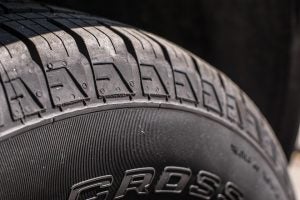
Close view of a tire. | Hyundai service center in Fort Smith, AR.

4 Reasons to Regularly Get Your Tires Rotated

Tires are made from polyester bands with a steel band in the middle and they're covered in thick rubber. The bands give the rubber strength and durability. Despite their reinforcement, your tires can still wear and regular tire rotation is important to extend the lifespan of your tires. When it's time to have your tires changed around, as your Hyundai dealer we can do it for you. These are some of the reasons why regular rotation is important. Increased Fuel Economy Tire treads are carefully designed to reduce the resistance your tires face when you drive. Unevenly worn tires create more resistance when your tires travel over any surface. This increased resistance means your engine has to work harder than it should to overcome that resistance, and that means burning more gas. When your tires are regularly rotated, they maintain a more even wear pattern. This even wear reduces surface resistance and also reduces the demands on your engine. You'll save wear and tear on engine components too as your engine doesn't have to work as hard. Better Handling Your tread helps to keep your car stable, especially when it drives over uneven surfaces, wet roads, or snow. The tread patterns are designed to keep as much of your tire in contact with the surface as possible. If your tires aren't regularly rotated, the tire treads wear unevenly.  The reduced depth of the groove means that liquid isn't easily or evenly displaced and this causes vibrations. Regularly rotated tires show a more even wear on the tread which allows for maintaining better contact with the surface. It also prevents your car from pulling to one side due to more wear on the tires on one side of your car than the other. Improved Tire Life Good tires can be expensive, and it makes good economic sense to prevent replacing them for as long as possible. If your tires are not rotated, they can take quite a beating. Your front ties, for example, carry more weight than the rear tires as more than 60% of a car's weight is in the front. By rotating tires between the front and the rear, you help to reduce the damage done to them by carrying extra weight. Tires wear down at different rates depending on their position. By rotating your tires you allow each tire to wear evenly. Rotation is Fast and Affordable Rotating your tires is very affordable, and it pays for itself very quickly. You save money by saving fuel and reducing the chance of costly damage to your axles and other components. Our technicians are highly experienced and we have the best equipment available to speedily rotate your tires. We advise that your tires be rotated every six months. When you're in Fort Smith, call our service department at Crain Hyundai of Fort Smith. Our technicians will rotate your tires while you enjoy a great coffee in our waiting room. Image via Pixabay. .

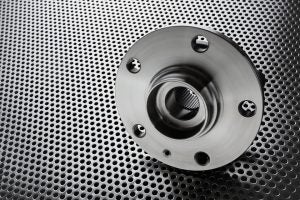
A new wheel bearing in an upright position. | Hyundai service center in Fort Smith, AR.

7 Reasons to Replace Your Hyundai Parts at Your Fort Smith Dealership

When it comes time to replace parts on your Hyundai, you may be wondering whether or not you should take your car to a Hyundai dealership. There are several good reasons why you should replace your Hyundai parts at your local dealer in Ft. Smith, AR. Here are seven to consider. 1. Designed By Hyundai One of the reasons to get parts replaced at a dealership is because Hyundai makes them for your car. That means that they have been specifically designed to fit your vehicle, and they will offer the best performance. You won't have to bring them in repeatedly for repairs. 2. Experienced Installation Another reason to use a dealership for parts is that they have a team of experienced technicians who know how to install them properly. When you bring your car in for repairs, you can be sure that it will be fixed right the first time, and you won't have to worry about any further damage. 3. It's Faster One of the biggest reasons to have your parts replaced at a dealership is because it's easier and faster. You save lots of time since you don't have to search and haggle for aftermarket parts. Most dealerships have a service department that can quickly take care of any repairs or replacements that you need. So, if you're looking for quick, reliable service, a dealership is the best place to go. 4. You Know They Will Fit Properly In addition to the reasons already given, you can ensure that parts will fit when you replace them at a dealership. That's because they have been designed for an exact fit without needing soldering at the dealership. Additionally, using OEM (Original Equipment Manufacturer) parts helps to ensure that your car stays covered by the manufacturer's warranty. more 5. Competitive Pricing When you bring your car into an authorized service center like ours, we'll give you competitive prices on not only new parts but labor as well. So, if you're looking for an excellent buy on parts, a dealership is the place to go. 6. Warranty and Support When you purchase genuine OEM parts, you are backed by the manufacturer's warranty. That means that if you have any problems with the parts, you can count on the dealership to help you resolve them. Additionally, using genuine OEM parts helps to ensure that your car remains covered by the manufacturer's warranty. So, if you're looking for quality parts that are backed by a warranty, a dealership is the place to go. 7. Genuine Parts Are Safer Replacing your parts with genuine OEM parts is the safest option. Many different companies manufacture aftermarket parts with varying standards of quality. By choosing genuine parts, you know that you're getting parts compatible with the other components on your vehicle. Hyundai maintains strict standards for all its parts, so you can expect the same level of quality when you need replacement parts. There are many great reasons to replace your Hyundai genuine parts at a dealership. If you have questions or want more information, please don't hesitate to contact Crain Hyundai of Fort Smith. We would be happy to help! Image via Pixabay.

Front view of the grille area of a dark blue 2021 Hyundai Sonata. | Hyundai dealer in Fort Smith, AR.

5 Signs Your Hyundai Is About to Need a New Car Battery

Car batteries can't last forever. Eventually, all that energy inside them runs out and they need to be replaced. But how do you know when the time is right for a new car battery? Well, there are actually several key warning signs that may start to appear when your current battery is nearing the end of its days and needs to be replaced. This guide will look at common signs that may appear when you need a new battery from your local Hyundai dealer. 1. A Slow or Unresponsive Engine Usually, all you need to do to get your car started is take a seat behind the wheel and turn the key in the ignition. However, if your engine doesn't start right away and you have to keep on turning the key a few times to get it started, it could be because the battery is running low on power. If you don't get it replaced, you may eventually find that your engine simply will not start at all. 2. Weak and Unreliable Headlights Your car's headlights are so vital for driving safely in dark conditions, like at night or on cloudy days, and it's the battery that keeps those lights shining brightly. However, if the battery doesn't have much charge left, your headlights may appear far less bright than normal. The beams may appear weak or dim, and you might even notice that the lights start to flicker or cut out, leaving you in danger and in the dark. 3. Old Age Car batteries have an estimated lifespan of around four years. So, if you've already had your battery for quite a while, it may be time to think about getting it changed, even if you haven't noticed any other issues yet. The longer you wait, the more likely you'll be to start noticing things going wrong with your car, like the aforementioned headlight and engine issues. more 4. Rotten Egg Smells Have you noticed a smell like rotten eggs coming from your car recently? If so, the battery is probably to blame. If the battery starts to crack and leak, sulfuric gases can be produced, and it's those same gases that cause the strange smell. Not only is this smell unpleasant to deal with, but it also usually means that your battery is physically broken, which could cause all sorts of problems like corrosion and damage to other components under the hood. 5. A Strange Shape Now and then, it's a good idea to pop the hood and take a look at your battery with your own two eyes. Even if you're not very experienced with cars, you may be able to spot some warning signs right away if the battery case looks swollen or has a strange shape. You may also be able to spot corroded areas around the battery's connectors, and if you see anything that looks strange or suspicious, your battery might need replacing. Now that you know the signs of a bad battery, you should find it a lot easier to take action when your own car battery is nearing the end of its life in order to avoid any serious issues with your automobile. If you spot any of the signs listed above, all you need to do is contact your local dealer and arrange to have a new battery fitted. Call Crain Hyundai of Fort Smith to schedule battery checks and replacements. Image via Hyundai.

A dark blue 2021 Hyundai Sonata parked on a brick road. | Hyundai dealer in Fort Smith, AR.

Does Your Hyundai Need an Alternator Repair?

The alternator generates electrical power as your car moves. This power is used to maintain your battery at full charge and also to supply all the electrical power your car's electronic components demand. An alternator does last for many years, but it will eventually fail and will need to be replaced. In Fort Smith, AR, your Hyundai dealer can replace it for you. These are some of the signs that you may need an alternator repair. Battery Warning Light The battery warning light is often believed to signal a problem with the battery, but it means that there is a problem with the electrical system. The alternator is designed to work at a specific voltage, which is usually 13-14.5 volts. When an alternator starts to fail, its voltage will drop and this can cause the warning light to come on. The warning light may also start to flick on and off if your alternator is weakening. This is because the demands by the electrical components, for example, the windshield wipers, are constant but the alternator is not able to supply enough power. If the warning light comes on or flickers, we recommend bringing your car to our service department ASAP so we can investigate. Burning Rubber or Metal Smells Both of these smells are nasty, but they also represent problems with your alternator. The alternator is driven by a long belt called the serpentine belt that runs through several pulleys. The belt moves at great speed under constant tension and friction in a hot environment, and this can cause wear. A worn belt will give off the smell of burnt rubber. A worn alternator or damaged wires produce a smell of burning metal. Frayed or damaged wires create resistance to electricity, and as the alternator tries to supply power through them, they heat up and being to smell. more Stalling or Starting Problems Stalling can be extremely dangerous, especially if it happens when you are traveling fast or overtaking another vehicle. The alternator supplies power to the spark plugs and coils for combustion to take place, which allows your car to move. If the alternator fails, and cannot supply enough power, your car may suddenly stall and just stop dead. A problem starting your engine can be caused by a weak alternator. If the alternator is weak and cannot charge the battery, your battery power may drop too low to start the ignition. If you hear a clicking sound when you try and start your engine, a damaged alternator is one of the likely culprits. The good news about a failing alternator is that it will never just fail. There are always warning signs that it is weakening. Now you know some of the signs, if you experience any of them call us right away at Crain Hyundai of Fort Smith. Our highly-trained technicians will be happy to check your alternator and replace it if needed. Image via Hyundai.

Rear corner view of a silver Hyundai Accent with the brake light on. | Brake repair in Fort Smith, AR

8 Signs Your Hyundai Needs a Brake Repair

Your brakes play a significant part in your safety, the safety of your passengers, and other road users. Keeping your car's brake system in good working order is crucial to give you the stopping power when you need it most. The following signs will warn you when to get a brake repair from your Fort Smith, AR, Hyundai dealership before it's too late. 1. Squealing and Squeaking Sounds When your brake pads are wearing thin, you will hear high-pitched squealing and squeaking sounds when you step on the brakes. A built-in wear indicator causes these noises. The small metal bar makes high-pitched noises to warn you that the pads are getting thin. When you hear these sounds, make an appointment at your dealership for a brake pad replacement. 2. Thin Brake Pads If you think your brake pads are thin and worn, take a look. If the brake pads are anything less than a quarter of an inch thick, it's best to replace them as soon as possible. Please don't wait for them to wear down even more to avoid damage to the rotors. 3. Grinding Sounds It starts with the high-pitched squealing sounds but soon changes into horrible grinding noises if you don't heed the warning from the wear indicator bars. If you didn't replace your brake pads, they are now so thin that the bare metal is scraping against the rotors. It's best to attend to this problem as soon as possible because it is causing damage to the rotors. 4. Vibrations When you feel vibrations when you step on the brake pedal, you need a brake service from your Hyundai technician asap. The vibrations that you can feel through the brake pedal are due to the uneven wear of your brake pads caused by warped rotors. more 5. Slow Brake Response When you apply the brakes and your car is slow to respond, it's a sure sign that you need a brake service. Slow brake response could be due to worn brake pads or low brake fluid. 6. Car Pulls to the Side Brake pads wear down at different rates, and because one side might wear down faster than the other, your car will pull to the left or right when you step on the brake pedal. Dirty brake fluid could also cause brake pads to wear down unevenly. 7. Parking Brake and Brake Fluid Warning Light The parking brake and brake fluid light will go on if the parking brake is engaged. If your vehicle's brake fluid is low, it will also trigger the warning light. If the light goes off after you disengage the parking brake, check your brake fluid and top it off to the correct level. Also, check under your car for leaks. 8. Brake Fluid Leak A brake fluid leak is a serious issue that needs attention immediately. You have a brake fluid leak if you notice yellowish or brownish puddles under your car. The leak could also trigger the parking brake and brake fluid warning light. For your safety, don't ignore the warning light. Ask your Hyundai technician to fix the problem immediately. With regular Hyundai maintenance at the factory recommended intervals, your vehicle's brake system will not let you down. Contact Crain Hyundai of Fort Smith today for an expert brake system inspection performed by highly qualified and knowledgeable Hyundai technicians to ensure your safety on the road.   Image via Hyundai.

Does Your Hyundai Need a Radiator Repair? 5 Common Signs

Running engines create heat and the radiator is tasked with preventing overheating. The radiator uses a combination of fans, hoses, and coolant to cool down the motor, so if it's not working properly, the engine will overheat and need extensive repairs. When you're able to identify the signs that your vehicle needs radiator repair, then you'll be able to catch the problem early and come into our Hyundai dealer for maintenance as soon as possible. 5 Common Signs for Radiator Repair at Our Hyundai Dealer 1. Rising Temperature Gauge Your dashboard is equipped with a temperature gauge that keeps track of your engine's hot and cold readings. Typically, the needle should always stay right in the middle of hot and cold while the engine is running. If this needle begins to rise, it is a sign that the radiator is not cooling the motor effectively. This could be due to driving in a hot climate, running the engine for prolonged periods of time, or low coolant. 2. Leaking Coolant A buildup of rust can clog the radiator, creating small cracks on the cooling fins. If this buildup continues over time, the result will be coolant leaking on the pavement under your parked car. Luckily, coolant is usually a bright color like green or orange, making it easy to identify. If rust has begun accumulating, then the coolant will have a darker rust-colored tinge. A diagnostic will find the exact source and determine whether fresh coolant or repair is necessary. more 3. Coolant Discoloration Fresh coolant is bright, almost neon; often green, orange, or yellow. You can find the color of the coolant in your vehicle by using your dipstick to check both the level and condition of the current fluid. If the radiator is clogged or has debris building up, it can cause rust and give the coolant a cloudier, rusty color. Sometimes the solution is to flush the contaminated fluid and add fresh coolant. Catching discolored fluid early may prevent potential leaks. 4. Blocked Fins Thin fin tubes run along the front of the radiator. These tubes have the task of running hot coolant away from the engine, allowing the motor to keep a constant temperature. If leaves, bugs, or dirt collect in the tubes, they will become clogged preventing the coolant from traveling to its destination. 5. Damaged fins For a radiator to function well, its fins need proper airflow. Similar to blocked fins, if there are dents or other damage, the fins won't be as effective. Fins can be damaged by cleaning the radiator with water pressure that is too high, or from a rock that's kicked up while driving. Keeping your radiator functioning properly is always less expensive than allowing a problem to persist, potentially causing permanent damage. Our expert technicians will run a diagnostic and repair any issues they find, getting you safely back on the road. Call or come into Crain Hyundai of Fort Smith today if any of these signs sound familiar or if you have any other concerns about the state of your radiator.

Contact Us

Fill out this form below and we'll contact you shortly

By submitting your information, you agree to the sharing of your information between Hyundai Motor America and its authorized dealers.

*Required Fields