
Blog / Fort Smith Hyundai Service

Blog

All Fort Smith Hyundai Service Crain Hyundai of Fort Smith Fort Smith Hyundai Dealer Crain Hyundai of Fort Smith Service Fort Smith Used Cars
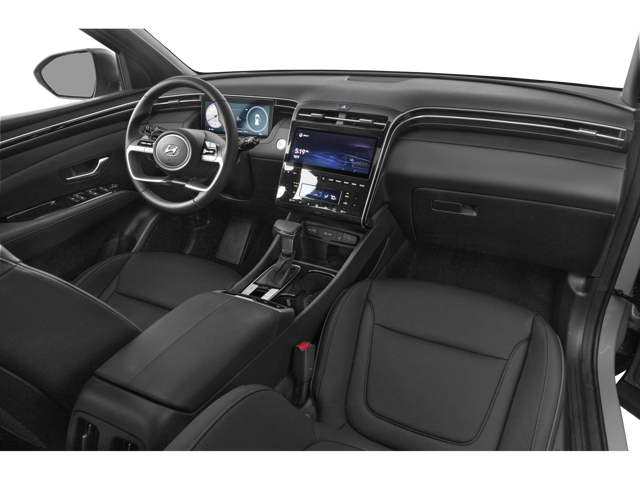
Interior view of the steering wheel and dashboard area in a 2023 Hyundai Sonata. | Hyundai dealer in Fort Smith, AR | Crain Hyundai of Fort Smith

Ask the Hyundai Dealer: 4 Common Signs of a Faulty Ignition Coil

The ignition coil, an essential component in your Hyundai's ignition system, is responsible for transforming low voltage from the battery into high voltage required to generate a spark for igniting the air-fuel mixture in the combustion chamber. Visiting a Hyundai dealer for diagnosis and repairs is crucial as they have specialized knowledge, ensuring accurate identification of the faulty ignition coil and reliable repairs tailored specifically to your vehicle. 1. A Loss of Power If you notice a significant loss of power in your vehicle, it could be a sign of a defective ignition coil. When the coil is faulty, it may fail to deliver a strong spark, resulting in poor engine performance. You may experience sluggish acceleration, difficulty climbing hills, or a general lack of power. If you start to experience these symptoms, it's best to have your ignition coil checked by a qualified mechanic to regain optimal engine function. 2. Your Check Engine Light Is On One of the common indicators of a defective ignition coil is the illumination of the check engine light on your dashboard. The check engine light serves as a warning system that detects various issues with your vehicle's components, including the ignition system. When the ignition coil is malfunctioning, it can trigger the check engine light. Ignoring this warning can lead to further engine damage or decreased fuel efficiency. It's important to have your vehicle's diagnostic system scanned to retrieve error codes and pinpoint the specific issue. A professional mechanic can then diagnose the problem and recommend the necessary repairs to resolve the ignition coil issue. 3. Your Fuel Economy Decreases A damaged ignition coil can contribute to poor fuel economy in your vehicle. When the coil is faulty, it can lead to incomplete combustion or misfires, resulting in inefficient fuel consumption. You may notice that you are visiting the gas station more frequently than usual and that your vehicle's fuel efficiency has significantly decreased. 4. Misfiring Engine When an engine misfires, it means that one or more cylinders fail to ignite the air-fuel mixture properly. This can result in a rough-running engine, noticeable vibrations, and a lack of smooth power delivery. A damaged ignition coil can cause inconsistent or weak sparks, leading to misfires. If you experience frequent engine misfires, it's crucial to have your ignition coil checked. Ignoring this issue can lead to further damage to the engine components, such as the spark plugs or catalytic converter. Potential causes of a defective ignition coil include electrical faults, wear and tear over time, exposure to extreme temperatures, or moisture intrusion, which can all lead to compromised performance and eventual failure. If you've experienced any of the above-named issues, don't hesitate to reach out to us. Send us a message at Crain Hyundai of Fort Smith to book your diagnostic appointment with our experienced team.

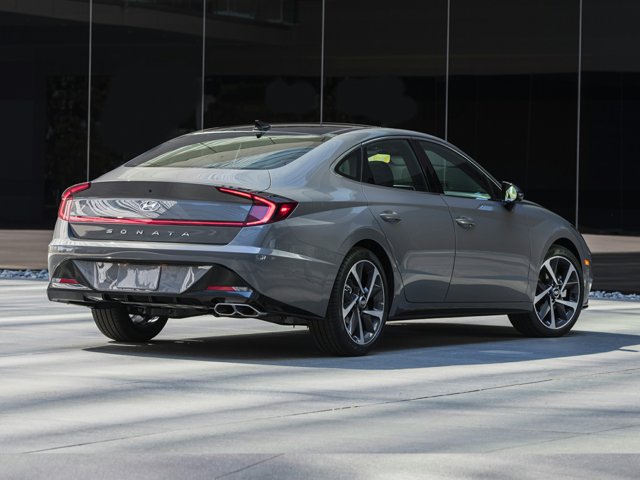
Rear profile view of a gray 2023 Hyundai Sonata. | Hyundai dealer in Fort Smith, AR | Crain Hyundai of Fort Smith

Signs You Need New Spark Plugs From Your Hyundai Dealer

A vital component in your vehicle's engine system is the spark plug, and detecting early signs that your Hyundai needs new spark plugs can enhance performance, save you on fuel consumption, and prevent more serious problems down the road. Talk to a Hyundai dealer if you notice any of the following signs. Decreased Fuel Efficiency One of the first telltale signs that your Hyundai might require new plugs is a decrease in fuel efficiency. These plugs play an instrumental role in combusting the fuel in your engine, so if they are malfunctioning, your car may consume more fuel than necessary. If you notice you're visiting the gas station more frequently, it's time to consider having your plugs checked. Difficulty Starting the Vehicle These plugs are key to starting your Hyundai. They ignite the air-fuel mixture in the engine's combustion chamber, enabling your vehicle to start. If your Hyundai struggles to start, or you're experiencing more instances of your car failing to turn over, it may be a sign that your plugs need replacement. Poor Acceleration and Rough Idling The state of your plugs can impact your Hyundai's overall performance. If you're experiencing sluggish acceleration or your vehicle seems less responsive when you hit the gas pedal, it may be due to worn plugs. Additionally, a rough idle – where your Hyundai feels shaky and produces a loud, irregular noise while stationary – can also point to spark plug issues. Misfires and Engine Surges Finally, engine misfires or surges are significant indicators of spark plug failure. If your engine is not running smoothly or if it surges and falls repeatedly, it can be due to malfunctioning plugs. This erratic operation can lead to larger issues if not addressed promptly. How a Spark Plug Works A spark plug sends an electrical signal sent from the ignition coil, creating a spark that ignites the air-fuel mixture in the combustion chamber. This is what powers your engine and propels your vehicle forward. The electrodes on a spark plug are subjected to extreme conditions, and over time, they wear out. This deterioration is what leads to many of the symptoms previously described, such as decreased fuel efficiency, difficulty starting, poor acceleration, rough idling, and engine misfires or surges. At Crain Hyundai of Fort Smith, we understand the importance of proactive maintenance, and our team of experienced technicians is ready to help. If you suspect your Hyundai needs new plugs, don't wait until your vehicle's performance suffers. Reach out to Crain Hyundai of Fort Smith today and let's ensure your Hyundai continues to deliver the performance and efficiency you've come to expect.

Front view of a parked 2023 Hyundai Santa Cruz with the headlights on. | Hyundai dealer in Fort Smith, AR | Crain Hyundai of fort Smith

3 Electrical Problems You Should Always Fix at Your Hyundai Dealer

Electrical problems can vary from minor to major, but they all affect your ability to enjoy the benefits of your Hyundai. If a problem isn't repaired, it could lead to extensive damage to your car. Fortunately, your Hyundai dealer in Fort Smith, AR, can fix any possible problem for you. These are a few potential issues that mean you need to visit us for a repair. Worn Alternator The alternator is a small generator inside your engine that produces electricity for your car's systems and devices while your engine is running. Some of the electricity it produces is used to recharge your battery. An alternator has an average lifespan of eight years before it needs replacement. Eventually, the alternator will slow down due to age wear, and this reduces the amount of power it produces. A failing alternator isn't usually noticeable when it starts, as the alternator produces more power than your car's systems require. As time passes, the reduced power supply from the alternator will cause problems for your car including misfiring, slower starting, and dim lights. The battery warning light on your dash will also illuminate. We can test your alternator and install a new one very quickly if required. Damaged Fuse Box Every electrical system in your car has a fuse. These fuses function identically to the ones in your home, as they protect their connected systems against electrical overloads and shorts. Fuses age and wear out, and they can also blow due to electrical shorts. The blown fuse prevents a short from damaging its system but also cuts power to that system until the fuse is replaced. If you're experiencing multiple blown fuses, the problem is very likely due to a damaged fuse box. Our technicians will test the fuse box and the wiring connected to it to find and isolate the problem. We can replace damaged wiring and fuses and will also install a new fuse box if it is causing the problem. Once the fuses are reconnected, your car's electrical system will work correctly again. Damaged Spark Plugs Healthy spark plugs are essential for efficient combustion, as they provide the ignition source for the fuel-air mixture in the cylinders. The spark plugs are supplied with power from the electrical system. Spark plugs will wear out in time, and we test and replace them as part of your car's service schedule. Plugs can also be damaged by the failure of other engine components, like a worn ignition coil or a fuel-rich engine. Damaged plugs will cause misfiring and could prevent your engine from starting. Our technicians will test each spark plug and replace any damaged ones. Problems in the electrical system can cause additional damage to your car and its systems. Call us today at Crain Hyundai of Fort Smith.

Interior view of a 2023 Hyundai Santa Cruz. | Hyundai dealer in Fort Smith, AR

3 Benefits of Routine Transmission Service at Your Hyundai Dealer

Your transmission works continually to convert engine power into energy to move your wheels. It contains hundreds of parts, many of which generate friction. As time passes, parts will get damaged or wear out. A transmission service will help prevent this damage and enable the transmission to work more effectively. As your Hyundai dealer, we'd like to tell you some reasons you need to visit us for regular service. You Reduce Future Damage The transmission is one of the most complex components of your car. It's composed of numerous individual components, all of which are subject to heat and friction. The transmission fluid that flows through your engine helps to reduce friction by covering the various components in a protective film. This fluid must be replaced regularly as it starts to degrade. When we service your transmission, they also carefully check all the components. Our technicians are Hyundai-trained, which allows them to spot potential problems before they occur. If a potential problem isn't seen, it could lead to damage and an expensive repair. When we fix these problems while your car is being serviced, you save time and a future expensive repair. Your Transmission Will Work More Efficiently As time passes, transmission fluid becomes thicker and slower. The fluid thickens as it accumulates dirt, rust particles, and other debris in the transmission. The thicker fluid doesn't just provide the necessary cooling for the transmission components. It also provides less friction protection, and this can increase damage to the gears and other parts. When we service your transmission, we replace the old fluid, and we remove and replace the transmission filter. The new fluid will move faster and provide better cooling for the transmission. This translates into a transmission that works faster and more efficiently, You Protect Your Engine Wear and tear on the transmission will also have an impact on your engine. The engine and transmission are linked by the torque converter which relays the engine's power. If your transmission is struggling to operate, it will affect your engine performance. A blocked transmission filter, for example, reduces the flow of fluid, which affects the ability of the gears to shift. If your gears have difficulty shifting, your engine will need more power to overcome this problem. To provide this extra power, your engine will burn more fuel unnecessarily. When your transmission is working effectively, you reduce any strain on the engine. The decreasing strain on the engine reduces future damage and will keep your engine healthier for longer. These are just a few of the reasons for regular service. Call our service department today at Crain Hyundai of Fort Smith.

Profile view of a parked, dark blue 2022 Hyundai Palisade. | Hyundai dealer in Fort Smith, AR.

Is Your Car Overheating? 3 Possible Reasons

An engine that gets too hot will suffer damage. If you have a car overheating, your Hyundai dealer can help you. These are some of the reasons your engine is getting too hot. Failed Thermostat The thermostat is a small valve in your cooling system, and it controls the release of coolant. When your engine temperature rises too high, the thermostat detects the change and opens to release coolant. The coolant is pumped through your engine to absorb heat. It then takes it to the radiator where the heat is removed. Although the thermostat is a simple component, it can fail. A failed thermostat will jam either open or closed. A thermostat that jams closed will prevent the release of coolant regardless of the engine temperature. If this happens, your engine temperature will rapidly soar as the cooling system fails. Our technicians will check the thermostat and replace it if it's jammed. Leaking Coolant Coolant is vital for your cooling system, as it's the only way your engine can remove heat. As we've seen, coolant is released when the engine temperature reaches a preset point. The coolant is pumped through your engine and absorbs heat as it travels. The final destination for the hot coolant is your radiator, where the heat in the coolant is exchanged for cooler outside air. Coolant leaks are usually easy to see, as coolant is available in pink, blue, yellow, and green. A pool of liquid in any of these colors under your car is a definite coolant leak. Sometimes coolant can leak into your exhaust system. If this happens, you'll notice your exhaust smoke becomes thick and white due to the water in the coolant. We'll trace the source of the leak and fix it. Damaged Radiator Fan The hot coolant is cooled by airflow over the radiator tubes. As your car moves faster, the airflow will also increase. This system works perfectly and very efficiently. It does, however, depend on your car moving to remove the heat from the coolant. If your car is idling, airflow through the radiator grille is negligible. For these circumstances, you have a radiator fan. The radiator fan is attached to the back of the radiator. When your engine is running but your car isn't moving, the fan will switch on. This fan is controlled by the thermal switch that detects the heat from the coolant. The fan blows across the tubes and pushes hot air out. If the fan is damaged, your car will start overheating whenever it's idling. We can't repair the fan, but we can replace the radiator to fix the problem. Don't risk damage to your engine. Call us today at Crain Hyundai of Fort Smith. Image via Hyundai.

Rear view of a parked, silver 202 Hyundai Veloster. | Hyundai dealer in Fort Smith, AR.

3 Signs It's Time to Change Your Brake Pads

Brake pads provide the friction that slows and stop your wheels. These pads fit into the brake calipers and are held in place with special clips. The pads will wear out and need replacement every 30,000 to 50,000 miles. We'd like to tell you more about signs you need to see us for new pads. Screeching Noises High-pitched screeching is unnerving, even more so if it's coming from your brakes. Pads are 1/2" thick when they're new, but the friction they generate against the rotors slowly wears them down. As the friction material covering wears off, your pads will take longer to stop your car. When the pads reach 1/4" thick, it's time to replace them. The pad manufacturers install a reminder in the pads that they're due to be changed. This warning is in the shape of a spike buried in each pad. When a pad reaches 1/4" thickness, this spike becomes visible and will scratch against the wheel rotor. This scratching produces a screeching noise as a reminder that you need to change your pads ASAP. Grinding Noises If your pads aren't replaced, they'll continue to screech. Eventually, the friction material covering will wear off completely, leaving only bare metal on the pads. The next time you use your brakes, the metal pads will directly strike the smooth metal of the rotors and gouge into them. You'll hear an awful grinding noise as the pads slowly damage the rotors. If your pads aren't replaced immediately, they continue to inflict damage on the rotors. This damage can lead to cracks in the rotor, and if this happens, the rotor will need replacement. We can easily replace the pads and will need to inspect the damage to the rotors. Sometimes the damage is minor, and other times the rotors will need to be resurfaced. Glazed Pads Pads become glazed by being kept in contact for an extended period with the wheel rotor. When you use the brakes, the pads are in contact with the rotor for the time it takes to stop your car. After that, you take your for off the brake pedal, and the pads are withdrawn. If you ride your brakes, however, the pads are kept in contact with the rotors and not withdrawn. Contact with the smooth rotor turns the pad smooth and glass-like. A smooth pad generates no friction, and this makes braking more difficult. More effort is also required by the braking system, which increases wear and tear. We can't repair glazed pads, but we can replace them. Driving with worn pads is dangerous. Visit us today at Crain Hyundai of Fort Smith, and we'll replace them. Image via Hyundai.

Overhead view of the front of a red 2020 Hyundai Veloster. | Hyundai dealer in Fort Smith, AR.

Signs You Need New Headlights From Your Hyundai Dealer

Your headlights are the best, and sometimes only, way to see your way when you're driving at night. In a town or city, you'll get some help from the street lights, but this doesn't replace the need for good, working headlights. In time, you'll need new headlights, and your Hyundai dealer can install them for you. These are some of the signs that your headlights may be failing. Dim Headlights If you turn on your headlights and all you get is a dim glow instead of a bright beam, your bulbs may be failing. This is usually the most obvious sign that it's time to change your bulbs. Headlight bulbs have a varied lifespan depending on the type you have installed. Their average life varies from 500 hours to 30,000 hours. We can test your bulbs and replace them if they're wearing out. We advise replacing both bulbs, even if only one of them is dim. The reason for this is bulbs are installed in pairs, and if one fails, the second will most likely blow in a couple of days. If you're thinking of installing longer-life bulbs, our technicians will be happy to advise you on the best bulbs for your Hyundai model. Blown Bulbs A dead headlight bulb is a definite sign that you need replacements. If your bulb has failed within its average life, there's no cause for concern. Should you find you have to replace a bulb more than once a year, there's some other problem causing the failures. Bulbs can fail due to alternator problems, blown fuses, wiring issues, and corrosion in the bulb socket. One of the main causes of early bulb failure is a worn alternator. The alternator produces your car's electrical power. When your alternator gets older, it produces less power to supply all your car's needs. Your headlights will be supplied with only enough power to light up. Headlights need a constant, consistent power supply, and the reduced power will cause them to blow. Damaged Lenses Your headlight bulbs are protected by clear plastic lenses. The lenses protect the bulb and electrical wiring from water, dirt, and other debris. They can, however, get damaged due to sand, stones, or other material that's thrown up from the road surface. A small crack in the lens can allow water inside, and water can cause a variety of damage. Moisture can build up on the inside of a lens and turn it foggy. Water can also cause corrosion to the bulb socket or the electrical wiring. We can replace the lens and clean the wiring and recess to fix this problem. If you're experiencing headlight problems, call us immediately at Crain Hyundai of Fort Smith. Image via Hyundai.

Rear view of a red 2020 Hyundai Venue being driven. | Hyundai service center in Fort Smith, AR.

Does Your Hyundai Need an Engine Diagnostic?

Knowing when your car needs an engine diagnostic isn't always easy. Your car can exhibit different kinds of signals that indicate different types of maintenance or repair issues. But what types of warnings should you look out for? Below are three groups of signals you can experience while driving your car. Each one is a clear indicator that it's time to make a service appointment with your local Hyundai dealer. Most Common Signal Your Car Needs Attention Do you ever wonder what to do when your check engine light goes on? For some people, that little light can be a moment of stress, and other people simply choose to ignore it. While the illumination of the check engine light is a common indication that your car needs a diagnostic test, that doesn't mean something major is wrong. There are many different reasons why the check engine light will begin to glow. The best course of action is to take your car in and have it checked out so the problem doesn't get worse. You Notice Changes in Your Car's Performance Another way to gauge whether it's time to have a diagnostic test on your car is when you notice sudden changes in your car's performance. Here are four signals to look out for. Rough-running engine Significant decrease in gas mileage The car needs to be restarted because the engine turns off The engine continues to run after you have shut the car off Similar to the check engine light turning on, these types of signals could mean something small and easy to fix or be a warning that your engine has a bigger need. Either way, take the time to have your car checked out to avoid more problems before they start. Unusual Signals to Be Aware of Here are three types of subtle signals that are easy to overlook. These are not as common as the car signals above, but they are essential to be aware of. Loss of power while driving Strange smells you have not noticed before Unusual sounds When driving your car, you should not notice a loss of power, experience unfamiliar smells, or hear hissing, popping, or knocking sounds. These are all signs that it's time to take your car in for a diagnostic test. A good rule to follow with a new or used car is to have a diagnostic test done once a year before engine problems begin. Remember, if you experience any of the above signals, do not panic. Bring your car to Crain Hyundai of Fort Smith and let them run the tests needed to find and fix the problem. Image via Hyundai.

Close view of the grille area of a red 2020 Hyundai Accent. | Hyundai dealer for Fort Smith, AR.

Is It Time for Your Hyundai to Get a New Catalytic Converter?

All vehicle owners use a catalytic converter each time they operate their engines. This vital component to the fuel system makes it safe for people to breathe around your operating vehicle and assists in protecting the environment. If you suspect your converter may be in need of an upgrade, check this list out before you drop by your Hyundai dealer for a replacement. 1. Having Trouble Accelerating Since the purpose of converters is to intake toxic exhaust gases and transform them into less dangerous forms, the device contains a filtering layer of mesh within itself. The metal film inside can become clogged from things like age or using an excessively rich fuel-to-air mixture, which causes the airflow to become blocked in your fuel system. Without proper air passage, the engine will be unable to utilize all of the fuel that sprays when you press on the gas, resulting in trouble accelerating. This will become especially apparent when merging onto the highway or overtaking lanes, as you'll notice a delay between applying pressure on the pedal and a response from the engine. 2. The Engine Light Has Turned On Your fuel system is equipped with sensors at the exhaust to allow for the best calculation of air and fuel to combine, and when that ratio is skewed by a clogged converter the sensor will return an error code. On top of causing a light on your dash, this issue also impacts your fuel usage. Calculations are predetermined to include the use of a converter, so having the piece damaged or absent will throw off that mixture. 3. Loud Noises and Unpleasant Smells In the event you've lost your converter entirely, the sound of your engine can become almost deafening. The uncomfortable volume of the vehicle can also be accompanied by the scent of rotting eggs out of your tailpipe. This is because fuel contains sulfur molecules that would normally be broken down in combustion or trapped by the metal filter, but if it is clogged or absent, unused fuel may be emitted out of the exhaust. If the sound is more of a rattling than a roar, this may indicate that the film within the catalytic has broken loose. This can happen when the converter has aged and built-up deposits on the film, causing the outer edges to wear away and snap off. The noise in this scenario will come from beneath the vehicle and will be especially noticeable as you turn the engine over. Keeping the air in our cities safe to breathe is important for everyone. Having your converter clean and updated not only protects the environment but also allows you to gain improved fuel economy and better horsepower. Visit Crain Hyundai of Fort Smith today to upgrade your equipment and get the most out of your fuel system. Image via Hyundai.

A dark blue 2022 Hyundai Palisade parked in front of a building. | Hyundai service in Fort Smith, AR.

3 Benefits of Getting Regular Brake Service

If you're a Hyundai driver, then you know that you have a car that's built to last. You also know that in order to keep your Hyundai running like new, you need to get regular brake service at your local Hyundai dealer. Here are just a few of the benefits of getting the brakes serviced regularly: 1. You Get Genuine Parts Every time you hit the brakes, your Hyundai is working hard to keep you safe. But over time, brake pads and other components can wear down, making it harder for your car to stop quickly and safely. That's why it's important to have your brakes serviced regularly by a dealer. By doing so, you can be sure that you're always getting genuine Hyundai parts. In addition, because genuine parts are designed specifically for your car, you can be confident that they'll fit properly and work as intended. Be sure to have the brakes serviced at least once every 12 months or 12,000 miles. 2. You're Covered by a Warranty When you purchase a new car, it usually comes with a manufacturer's warranty. This warranty provides peace of mind to the owner, knowing that if something goes wrong with the car, they will be covered. In most cases, the warranty will cover the cost of repairs or replacement parts. However, there are some things that can void a warranty, such as not having the car serviced at regular intervals. For example, if you own a Hyundai, part of the terms of the warranty is that you must have your brakes serviced regularly by a dealer. By doing this, you are ensuring that your car is in good working condition and that the brakes are up to Hyundai's standards. 3. You Avoid Costly Repairs Down the Road When you bring your Hyundai in for service, our certified technicians will inspect your entire braking system. This comprehensive inspection will check your brake pads and shoes for wear, measure your rotor thickness, evaluate your brake fluid level and condition, and inspect all other components for excessive wear or damage. By catching potential problems early, we can often prevent costly repairs down the road. For example, worn brake pads can damage rotors, requiring them to be replaced. However, if we catch the problem early, we can simply replace the pads and avoid having to replace the rotors as well. It's always a good idea to take your car in for service in order to keep the brakes in top condition. If you need a tune-up and want to get everything checked at once, visit us at Crain Hyundai of Fort Smith. We can take care of all your car maintenance needs and help you stay safe on the roads this season. Image via Hyundai.

Front view of a light grey 2022 Hyundai Ioniq-5 being driven on the road. | Hyundai dealer in Fort Smith, AR.

5 Safety Features You'll Find on Today's Hyundai Vehicles

In the past few years, automakers have focused on developing new safety features that can detect a crash, alert drivers and offer assistance in case of emergencies. These innovations have led to safer driving conditions. If you ask any Hyundai dealer about safety systems found on today's Hyundai vehicles, here are 5 they are likely to mention: 1. Forward Collision-Avoidance Assist A forward collision warning system can detect when a car is traveling too fast and is likely to collide with another vehicle or object. The system sends alerts to the driver, usually via a sound and a visual display, to alert them to the danger and instructs them to apply the brakes or reduce engine power. If the driver doesn't brake in time, the system can apply the brakes automatically. 2. Blind-Spot Detection Blind-spot detection systems use sensors to detect when another car is in a driver's blind spot. If a vehicle is detected, your vehicle will give out a warning. Depending on the make of your car, the warning could be a light on the internal front pillar or wing mirror. This warning light could also be accompanied by audible sounds or vibrations in the steering wheel. The system will stay active until the vehicle is in front or alongside you. 3. Lane Keeping Assist Lane keeping assist system is designed to help you stay within your lanes. It uses high-tech sensors in the windshield to scan lane markers on the left and right sides of your Hyundai car. When you veer out of your lane, it sends visual and audio warnings so that you can correct your path. Additionally, the system might put some pressure on the steering wheel to correct the path of your vehicle. 4. Rear Cross Traffic Alert A rear cross-traffic alert system uses sensors to detect other vehicles when a car is backing up. The system alerts the driver by sounding an alarm if there is a car that the driver can't see in the rearview mirror. This is particularly helpful when the driver is backing up in parking lots or driveways that have an exit on the side of the car. This system can also apply brakes automatically to prevent an impending collision. 5. High Beam Assist A high beam assist system automatically switches between low and high beams depending on the brightness of other vehicles and road conditions. For instance, it will turn on the high beam when your car's speed is above 25mph and turn on the low beam when a headlamp or a tail lamp of an oncoming vehicle is detected. Hyundai takes safety seriously, evidenced by the many safety systems they incorporate in their vehicles. When sensible driving meets these features, the result is a safe condition for drivers and other road users. Suppose you are thinking of purchasing a Hyundai car. In that case, contact Crain Hyundai of Fort Smith for the best car deals. Whether you are looking for older models or newer models, such as the 2022 Hyundai Elantra SE, we have it all. Image via Hyundai.

A parked, light blue 2021 Hyundai Kona. | Hyundai service center in Fort Smith, AR.

Car AC Not Working? Visit Your Hyundai Dealer Today

Like many other parts of the country, Arkansas is experiencing increasingly frequent hot weather. When it's over 90 degrees outside, the last thing you want is a faulty air conditioning unit. If you notice your car AC not working, you should book an appointment with the mechanics at the Hyundai dealer. They can diagnose and fix the problem, so you don't have to deal with unbearably hot car journeys. Why Is My Car AC Not Working? There are several reasons why your car's air conditioning might not be working. If you can see an oily liquid around your AC unit hose connections, your car might have a leak. AC units that expel hot instead of cold air might have a problem with the condenser. It could be broken, but it could also just be blocked, in which case it is easy to fix. Another, slightly more complicated reason why your AC might not be working is an electrical issue. This could be the case if your AC has stopped turning on altogether or if it has stopped cooling down your car properly. Should I Visit the Hyundai Dealer? If your AC has broken down, you might wonder whether you need to visit the dealership mechanic or whether you can fix the issue yourself. In many cases, repairing your air conditioning unit on your own can be challenging, especially if a part is broken or if there is an issue with the electrical system. To be on the safe side, you should schedule an appointment with your Hyundai mechanic, who can fix the AC and make sure your car is still safe to drive. How Will the Mechanic Fix My Car? Most problems related to the air conditioning system can be fixed, and you might be able to take your car home on the same day. If there is a leak, your mechanic will use sealant to stop it, or they might replace one or more of the AC's parts. Similarly, if the condenser is broken, your brand-name dealership will be able to fit your Hyundai with a genuine replacement part. Electrical problems are often hard to diagnose, and you shouldn't attempt to do so yourself. Your mechanic will determine which parts of the wiring are affected, and they will either fix the issue with electrical tape or replace sections of the wiring. In the summer, temperatures in Arkansas can easily climb to the mid-90s. If you have to take a car journey in such hot weather, having a broken air conditioning system is dangerous. As soon as you notice a problem, such as hot air coming out of your AC, you should contact your local Hyundai mechanics. Call us now at Crain Hyundai of Fort Smith and book a service appointment for your car. We will be happy to fix your AC unit for you.   Image via Hyundai.

Contact Us

Fill out this form below and we'll contact you shortly

By submitting your information, you agree to the sharing of your information between Hyundai Motor America and its authorized dealers.

*Required Fields