Blog / Fort Smith Hyundai Service

3 Signs It's Time to Change Your Brake Pads

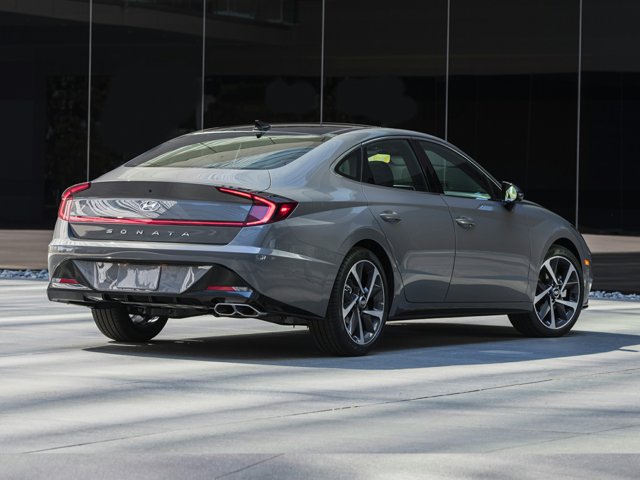
Rear view of a parked, silver 202 Hyundai Veloster. | Hyundai dealer in Fort Smith, AR.
Brake pads provide the friction that slows and stop your wheels. These pads fit into the brake calipers and are held in place with special clips. The pads will wear out and need replacement every 30,000 to 50,000 miles. We'd like to tell you more about signs you need to see us for new pads.

Screeching Noises

High-pitched screeching is unnerving, even more so if it's coming from your brakes. Pads are 1/2" thick when they're new, but the friction they generate against the rotors slowly wears them down. As the friction material covering wears off, your pads will take longer to stop your car. When the pads reach 1/4" thick, it's time to replace them. The pad manufacturers install a reminder in the pads that they're due to be changed. This warning is in the shape of a spike buried in each pad. When a pad reaches 1/4" thickness, this spike becomes visible and will scratch against the wheel rotor. This scratching produces a screeching noise as a reminder that you need to change your pads ASAP.

Grinding Noises

If your pads aren't replaced, they'll continue to screech. Eventually, the friction material covering will wear off completely, leaving only bare metal on the pads. The next time you use your brakes, the metal pads will directly strike the smooth metal of the rotors and gouge into them. You'll hear an awful grinding noise as the pads slowly damage the rotors. If your pads aren't replaced immediately, they continue to inflict damage on the rotors. This damage can lead to cracks in the rotor, and if this happens, the rotor will need replacement. We can easily replace the pads and will need to inspect the damage to the rotors. Sometimes the damage is minor, and other times the rotors will need to be resurfaced.

Glazed Pads

Pads become glazed by being kept in contact for an extended period with the wheel rotor. When you use the brakes, the pads are in contact with the rotor for the time it takes to stop your car. After that, you take your for off the brake pedal, and the pads are withdrawn. If you ride your brakes, however, the pads are kept in contact with the rotors and not withdrawn. Contact with the smooth rotor turns the pad smooth and glass-like. A smooth pad generates no friction, and this makes braking more difficult. More effort is also required by the braking system, which increases wear and tear. We can't repair glazed pads, but we can replace them. Driving with worn pads is dangerous. Visit us today at Crain Hyundai of Fort Smith, and we'll replace them. Image via Hyundai.

Posted in:

Related Posts

Interior view of the steering wheel and dashboard area in a 2023 Hyundai Sonata. | Hyundai dealer in Fort Smith, AR | Crain Hyundai of Fort Smith

Ask the Hyundai Dealer: 4 Common Signs of a Faulty Ignition Coil

The ignition coil, an essential component in your Hyundai's ignition system, is responsible for transforming low voltage from the battery into high voltage required to generate a spark for igniting the air-fuel mixture in the combustion chamber. Visiting a Hyundai dealer for diagnosis and repairs is crucial as they have specialized knowledge, ensuring accurate identification of the faulty ignition coil and reliable repairs tailored specifically to your vehicle. 1. A Loss of Power If you notice a significant loss of power in your vehicle, it could be a sign of a defective ignition coil. When the coil is faulty, it may fail to deliver a strong spark, resulting in poor engine performance. You may experience sluggish acceleration, difficulty climbing hills, or a general lack of power. If you start to experience these symptoms, it's best to have your ignition coil checked by a qualified mechanic to regain optimal engine function. 2. Your Check Engine Light Is On One of the common indicators of a defective ignition coil is the illumination of the check engine light on your dashboard. The check engine light serves as a warning system that detects various issues with your vehicle's components, including the ignition system. When the ignition coil is malfunctioning, it can trigger the check engine light. Ignoring this warning can lead to further engine damage or decreased fuel efficiency. It's important to have your vehicle's diagnostic system scanned to retrieve error codes and pinpoint the specific issue. A professional mechanic can then diagnose the problem and recommend the necessary repairs to resolve the ignition coil issue. 3. Your Fuel Economy Decreases A damaged ignition coil can contribute to poor fuel economy in your vehicle. When the coil is faulty, it can lead to incomplete combustion or misfires, resulting in inefficient fuel consumption. You may notice that you are visiting the gas station more frequently than usual and that your vehicle's fuel efficiency has significantly decreased. 4. Misfiring Engine When an engine misfires, it means that one or more cylinders fail to ignite the air-fuel mixture properly. This can result in a rough-running engine, noticeable vibrations, and a lack of smooth power delivery. A damaged ignition coil can cause inconsistent or weak sparks, leading to misfires. If you experience frequent engine misfires, it's crucial to have your ignition coil checked. Ignoring this issue can lead to further damage to the engine components, such as the spark plugs or catalytic converter. Potential causes of a defective ignition coil include electrical faults, wear and tear over time, exposure to extreme temperatures, or moisture intrusion, which can all lead to compromised performance and eventual failure. If you've experienced any of the above-named issues, don't hesitate to reach out to us. Send us a message at Crain Hyundai of Fort Smith to book your diagnostic appointment with our experienced team.

Rear profile view of a gray 2023 Hyundai Sonata. | Hyundai dealer in Fort Smith, AR | Crain Hyundai of Fort Smith

Signs You Need New Spark Plugs From Your Hyundai Dealer

A vital component in your vehicle's engine system is the spark plug, and detecting early signs that your Hyundai needs new spark plugs can enhance performance, save you on fuel consumption, and prevent more serious problems down the road. Talk to a Hyundai dealer if you notice any of the following signs. Decreased Fuel Efficiency One of the first telltale signs that your Hyundai might require new plugs is a decrease in fuel efficiency. These plugs play an instrumental role in combusting the fuel in your engine, so if they are malfunctioning, your car may consume more fuel than necessary. If you notice you're visiting the gas station more frequently, it's time to consider having your plugs checked. Difficulty Starting the Vehicle These plugs are key to starting your Hyundai. They ignite the air-fuel mixture in the engine's combustion chamber, enabling your vehicle to start. If your Hyundai struggles to start, or you're experiencing more instances of your car failing to turn over, it may be a sign that your plugs need replacement. Poor Acceleration and Rough Idling The state of your plugs can impact your Hyundai's overall performance. If you're experiencing sluggish acceleration or your vehicle seems less responsive when you hit the gas pedal, it may be due to worn plugs. Additionally, a rough idle – where your Hyundai feels shaky and produces a loud, irregular noise while stationary – can also point to spark plug issues. Misfires and Engine Surges Finally, engine misfires or surges are significant indicators of spark plug failure. If your engine is not running smoothly or if it surges and falls repeatedly, it can be due to malfunctioning plugs. This erratic operation can lead to larger issues if not addressed promptly. How a Spark Plug Works A spark plug sends an electrical signal sent from the ignition coil, creating a spark that ignites the air-fuel mixture in the combustion chamber. This is what powers your engine and propels your vehicle forward. The electrodes on a spark plug are subjected to extreme conditions, and over time, they wear out. This deterioration is what leads to many of the symptoms previously described, such as decreased fuel efficiency, difficulty starting, poor acceleration, rough idling, and engine misfires or surges. At Crain Hyundai of Fort Smith, we understand the importance of proactive maintenance, and our team of experienced technicians is ready to help. If you suspect your Hyundai needs new plugs, don't wait until your vehicle's performance suffers. Reach out to Crain Hyundai of Fort Smith today and let's ensure your Hyundai continues to deliver the performance and efficiency you've come to expect.

Front view of a parked 2023 Hyundai Santa Cruz with the headlights on. | Hyundai dealer in Fort Smith, AR | Crain Hyundai of fort Smith

3 Electrical Problems You Should Always Fix at Your Hyundai Dealer

Electrical problems can vary from minor to major, but they all affect your ability to enjoy the benefits of your Hyundai. If a problem isn't repaired, it could lead to extensive damage to your car. Fortunately, your Hyundai dealer in Fort Smith, AR, can fix any possible problem for you. These are a few potential issues that mean you need to visit us for a repair. Worn Alternator The alternator is a small generator inside your engine that produces electricity for your car's systems and devices while your engine is running. Some of the electricity it produces is used to recharge your battery. An alternator has an average lifespan of eight years before it needs replacement. Eventually, the alternator will slow down due to age wear, and this reduces the amount of power it produces. A failing alternator isn't usually noticeable when it starts, as the alternator produces more power than your car's systems require. As time passes, the reduced power supply from the alternator will cause problems for your car including misfiring, slower starting, and dim lights. The battery warning light on your dash will also illuminate. We can test your alternator and install a new one very quickly if required. Damaged Fuse Box Every electrical system in your car has a fuse. These fuses function identically to the ones in your home, as they protect their connected systems against electrical overloads and shorts. Fuses age and wear out, and they can also blow due to electrical shorts. The blown fuse prevents a short from damaging its system but also cuts power to that system until the fuse is replaced. If you're experiencing multiple blown fuses, the problem is very likely due to a damaged fuse box. Our technicians will test the fuse box and the wiring connected to it to find and isolate the problem. We can replace damaged wiring and fuses and will also install a new fuse box if it is causing the problem. Once the fuses are reconnected, your car's electrical system will work correctly again. Damaged Spark Plugs Healthy spark plugs are essential for efficient combustion, as they provide the ignition source for the fuel-air mixture in the cylinders. The spark plugs are supplied with power from the electrical system. Spark plugs will wear out in time, and we test and replace them as part of your car's service schedule. Plugs can also be damaged by the failure of other engine components, like a worn ignition coil or a fuel-rich engine. Damaged plugs will cause misfiring and could prevent your engine from starting. Our technicians will test each spark plug and replace any damaged ones. Problems in the electrical system can cause additional damage to your car and its systems. Call us today at Crain Hyundai of Fort Smith.