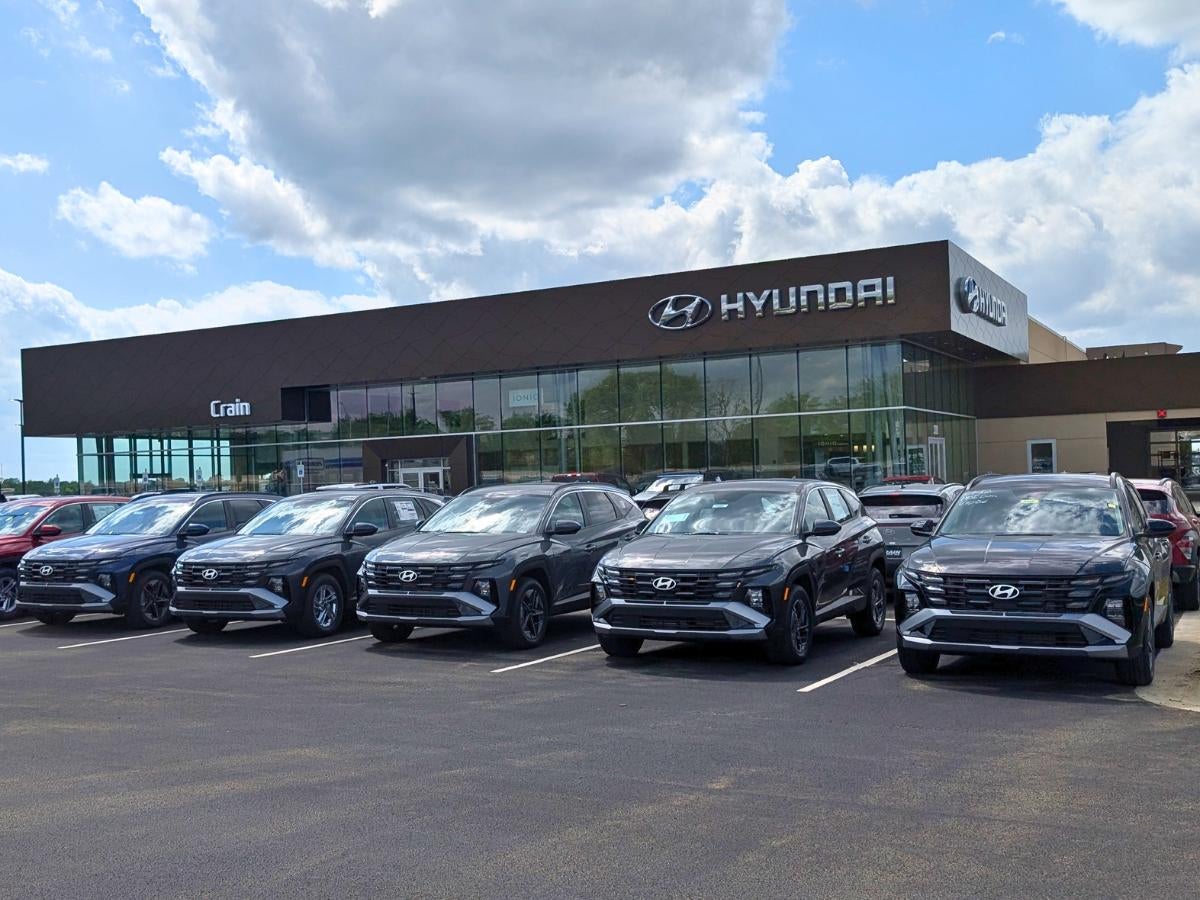

Blog / Crain Hyundai of Fort Smith

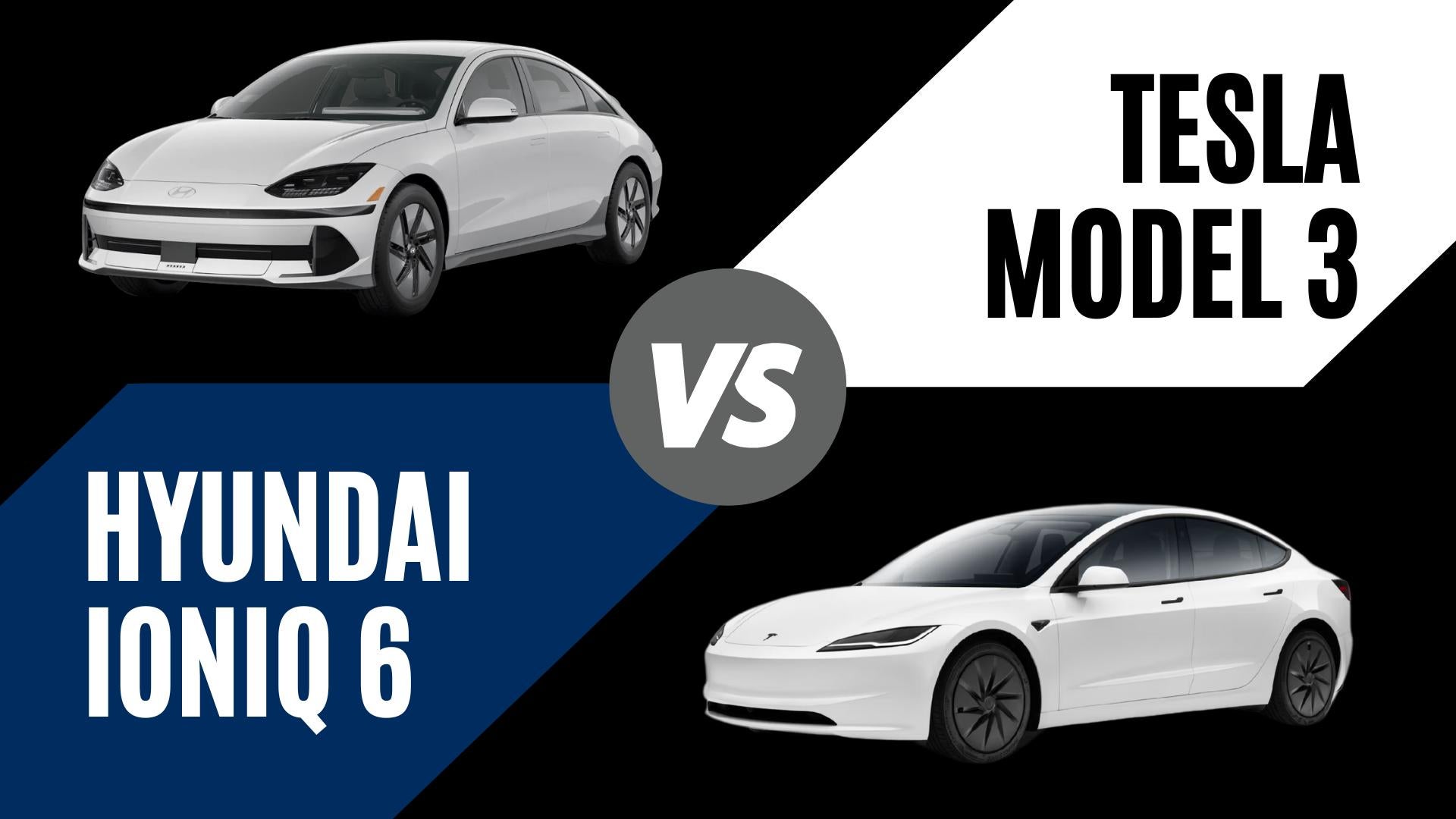
2025 Hyundai Ioniq 6 vs 2026 Tesla Model 3 in Fort Smith, AR

2025 Hyundai Ioniq 6 and Tesla Model 3 comparison highlighting EV range, charging, and features in Fort Smith, Arkansas

How the Hyundai Ioniq 6 and Tesla Model 3 Compare for Efficiency and Value

Electric sedan shoppers are often focused on range, charging convenience, and long-term ownership costs, which makes the 2025 Hyundai Ioniq 6 vs 2026 Tesla Model 3 in Fort Smith, AR comparison especially relevant. Both models deliver impressive electric performance, but they approach efficiency and everyday usability in different ways.

Choosing between them often comes down to how you prioritize charging speed, interior usability, and overall value. Looking closely at those areas helps highlight which EV fits more naturally into daily driving around Fort Smith.

To explore trims, features, and configurations in more detail, take a closer look at the Hyundai Ioniq 6 model research page.

Vehicle Comparison

2025 Hyundai Ioniq 6
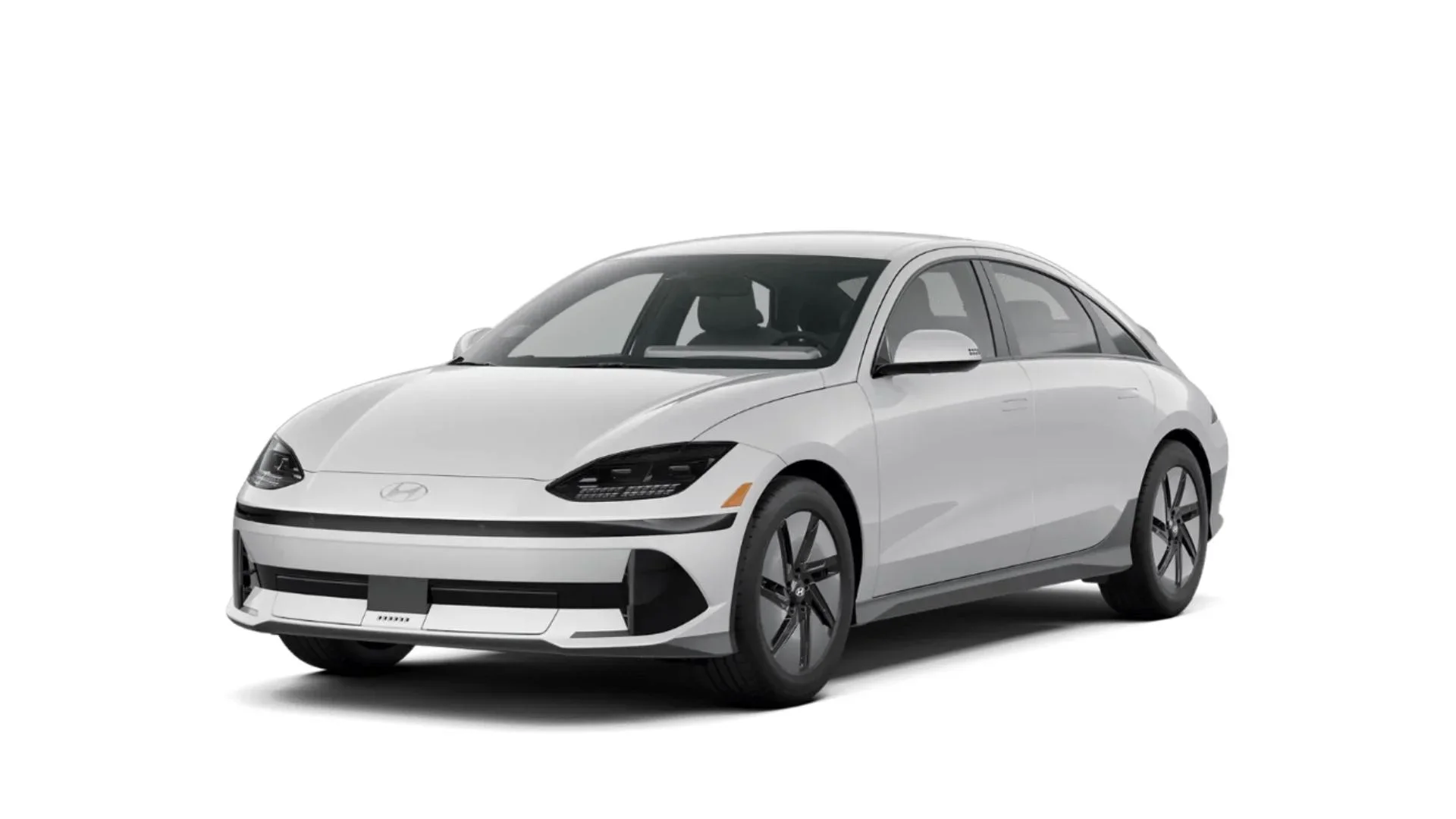
2025 Hyundai Ioniq 6 at Crain Hyundai of Fort Smith
Horsepower
140-320
AWD Availability
Available
Fuel Economy / Range
240-342
Seating Capacity
5
Top Features
  • Ultra-Fast Charging
  • Dual 12.3-inch Displays
  • Aerodynamic Efficiency Design

2026 Tesla Model 3
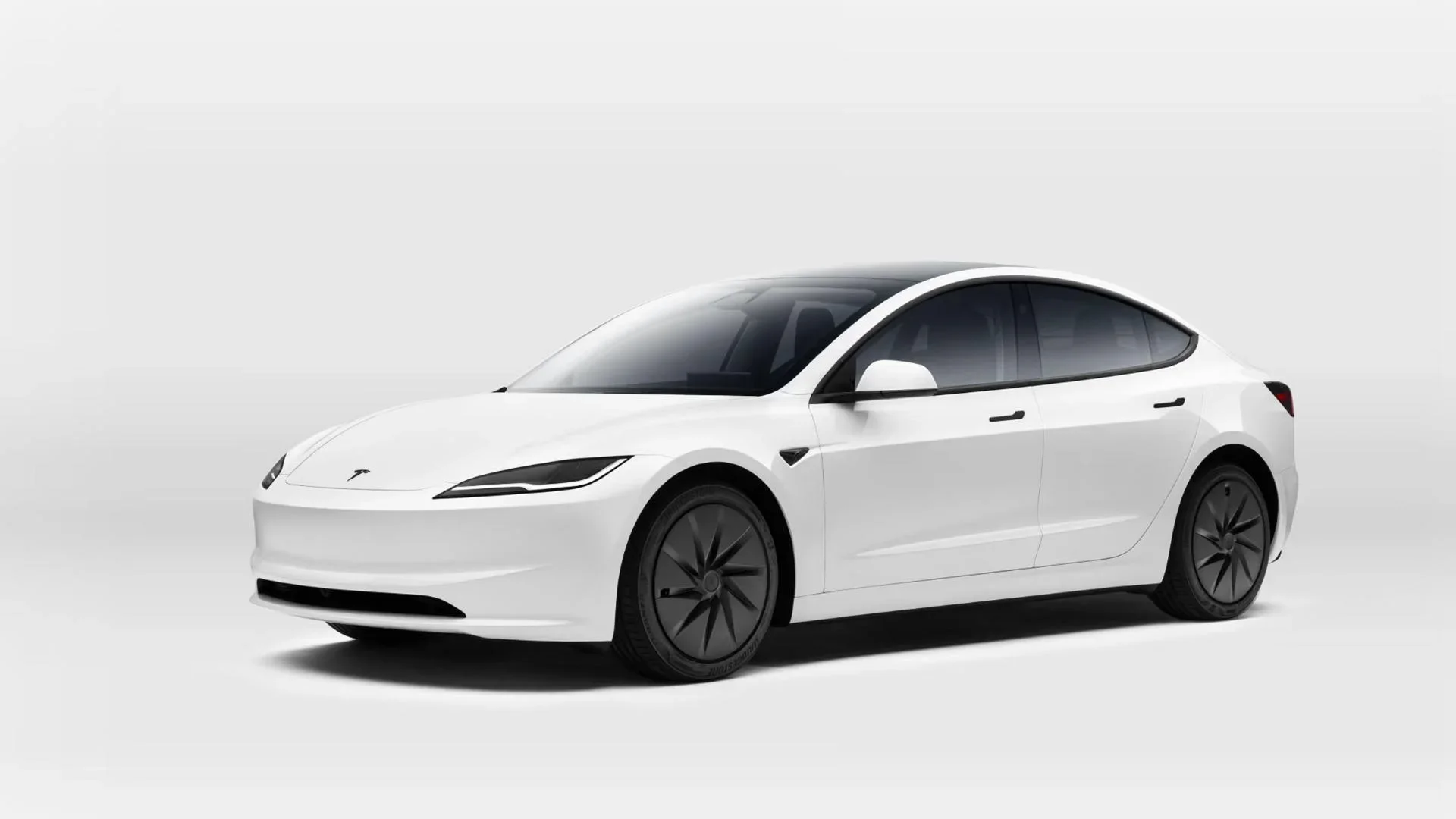
2026 Tesla Model 3 at Crain Hyundai of Fort Smith
Horsepower
286-510
AWD Availability
Available
Fuel Economy / Range
309-363
Seating Capacity
5
Top Features
  • Supercharger Network Access
  • 15.4-inch Touchscreen
  • Autopilot Driver Assistance

Exterior Design and Aerodynamic Styling

A sleek and aerodynamic shape defines the Ioniq 6, giving it a distinctive look that stands apart from traditional sedans. Its streamlined design isn’t just for style. It also plays a role in maximizing efficiency and range.

Tesla takes a more minimalist approach with the Model 3, offering a clean exterior design that has become instantly recognizable. While less dramatic, it maintains a modern and refined appearance.

Design highlights:

  • Ioniq 6: aerodynamic, futuristic styling
  • Model 3: minimalist, clean exterior design

Driving Experience and Performance

Ride quality and responsiveness shape the daily driving experience in meaningful ways.

A smooth and composed ride gives the Ioniq 6 a refined feel, with a low center of gravity that helps it stay planted while still prioritizing comfort. It strikes a balance between efficiency and enjoyable handling.

Acceleration is where the Model 3 stands out. Its electric motors deliver quick bursts of speed, especially in higher trims, making it one of the quicker options in the segment.

Performance takeaways:

  • Ioniq 6: balanced ride with smooth handling
  • Model 3: quicker acceleration and sportier feel

Interior Space and Everyday Comfort

Comfort and layout can make a noticeable difference over time.

A lounge-like cabin design helps the Ioniq 6 feel open and modern, with a flat floor and thoughtfully arranged controls. Noise insulation also contributes to a quieter ride, especially at highway speeds.

Inside the Model 3, the focus is on minimalism. Nearly all controls are handled through the center display, which creates a clean look but may require more adjustment for drivers used to traditional layouts.

Interior highlights:

  • Both seat 5 passengers
  • Ioniq 6: more traditional usability with modern comfort
  • Model 3: minimalist layout with touchscreen-focused controls

Technology and Connectivity

Technology plays a central role in how these vehicles operate day to day.

Dual 12.3-inch displays give the Ioniq 6 a balanced setup, separating driver information from infotainment for easier access and visibility.

Tesla’s approach centers on a 15.4-inch touchscreen that controls nearly all vehicle functions. While visually impressive, it relies too heavily on a single interface for most interactions.

Tech comparison:

  • Ioniq 6: dual-screen layout with intuitive design
  • Model 3: large central display controlling most functions

Safety and Driver Assistance

Both vehicles include advanced driver-assistance features designed to support safer driving.

Hyundai equips the Ioniq 6 with a comprehensive suite of safety technologies, including adaptive cruise control with lane-centering and standard driver-assist features.

Tesla offers its Autopilot system, which provides advanced capabilities such as automatic lane changes and adaptive cruise control functionality.

Safety highlights:

  • Both offer advanced driver-assistance systems
  • Ioniq 6: strong standard safety feature availability
  • Model 3: advanced Autopilot capabilities

Range, Charging, and Efficiency

Range and charging speed are often the deciding factors for EV buyers.

The Model 3 offers an estimated 309–363 miles of range, depending on configuration, making it one of the longest-range options in its class.

The Ioniq 6 delivers an estimated 240–342 miles of range, remaining highly competitive while focusing on efficiency and balance. Charging performance is where it stands out, offering ultra-fast capability that can significantly reduce downtime on longer trips. Drivers can also explore the Hyundai electric vehicle lineup and innovation to see how these models continue to stand out in the EV segment.

Efficiency comparison:

  • Ioniq 6: fast charging and strong overall efficiency
  • Model 3: higher maximum driving range

Ownership Value and Long-Term Benefits

Ownership experience can make a major difference over time.

Hyundai provides one of the strongest ownership advantages in the segment, including extended warranty coverage and complimentary maintenance. Learn more about Hyundai’s industry-leading warranty coverage and how it supports long-term value.

Tesla offers solid battery coverage, but it does not include complimentary maintenance, and its overall warranty coverage is shorter.

Value comparison:

  • Ioniq 6: longer warranty and included maintenance
  • Model 3: shorter coverage with no included maintenance

Why the Hyundai Ioniq 6 is a Smart Choice in Fort Smith

Comparing these two electric sedans highlights different strengths, but everyday usability often becomes the deciding factor.

The Model 3 delivers impressive range and quick acceleration, making it appealing for drivers focused on performance and long-distance capability.

A more balanced approach helps the Ioniq 6 stand out. Fast charging, a more intuitive interior layout, and stronger ownership benefits make it easier to live with on a daily basis. That combination makes it a compelling choice for drivers throughout Fort Smith.

FAQs

How does the charging speed of the Hyundai Ioniq 6 compare to the Tesla Model 3?
The Ioniq 6 is known for its ultra-fast charging capability, allowing for quicker charging sessions compared to many EVs.

Which EV offers more driving range, the Ioniq 6 or Model 3?
The Tesla Model 3 offers a higher maximum estimated range, while the Ioniq 6 remains highly competitive with strong efficiency.

What makes the Hyundai Ioniq 6 a better value?
The Ioniq 6 offers longer warranty coverage and complimentary maintenance, helping reduce long-term ownership costs.
Posted in:

Related Posts

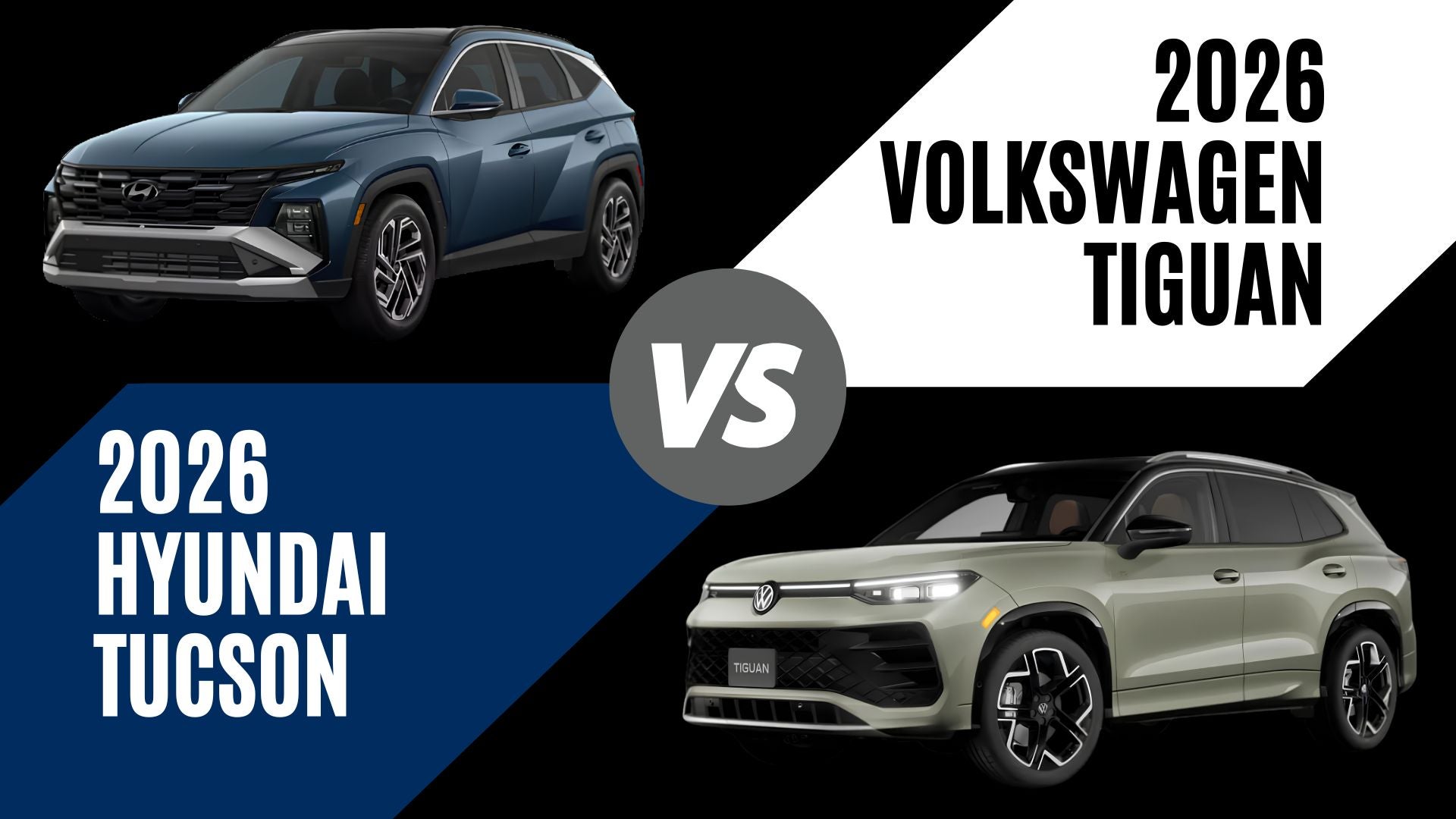
Side-by-side comparison image of the 2026 Hyundai Tucson and 2026 Volkswagen Tiguan family SUVs in a neutral setting.

2026 Volkswagen Tiguan vs. Hyundai Tucson | Fort Smith, AR

Choosing a Family SUV for the River Valley Shoppers across Fort Smith comparing family SUVs quickly land on two strong contenders: the 2026 Hyundai Tucson and the 2026 Volkswagen Tiguan. Both pack real interior space, modern driver-assist features, and available all-wheel drive into a size that works for daily errands and road trips through the River Valley alike. Crain Hyundai of Fort Smith carries the Tucson lineup and put this comparison together to help buyers weigh both options fairly. Note that this comparison only covers the gas Tucson lineup. Hyundai also builds a Tucson Hybrid and a Tucson Plug-In Hybrid, which will be addressed later. Vehicle Comparison 2026 Hyundai Tucson Horsepower 187 hp AWD Availability Available Fuel Economy / Range 26-28 combined mpg (city/hwy) Seating Capacity 5 Top Features 12.3-inch Touchscreen Hyundai Digital Key 2 Hyundai SmartSense Safety Suite Towing Capacity Up to 2,000 lbs (with optional trailer hitch) Find Your Tucson Today 2026 Volkswagen Tiguan Horsepower 201–268 hp AWD Availability Available Fuel Economy / Range 22-34 (range varies by trim) mpg (city/hwy) Seating Capacity 5 Top Features 12.9-inch Touchscreen Standard Adaptive Cruise Control IQ.DRIVE Safety Suite Towing Capacity Up to 1,800 lbs Search Our Used Inventory Under the Hood: Two Very Different Engine Strategies Hyundai keeps things simple with the Tucson, running a single 187-hp 2.5-liter four-cylinder across every gas trim, paired with an eight-speed automatic and optional all-wheel drive. It's not a quick SUV by class standards, needing roughly 8.8 seconds to hit 60 mph, but that restraint pays off in a notably quiet, settled ride at highway speeds. Volkswagen goes the opposite direction with the Tiguan, offering a 201-hp turbocharged 2.0-liter on the S, SE, and SE R-Line Black trims, then jumping to a 268-hp version of that same engine on the new 2026 SEL R-Line Turbo, which comes standard with all-wheel drive and reaches 60 mph in just 6.7 seconds. Engine Breakdown: Tucson: 187-hp 2.5L four-cylinder, all gas trims, 8.8-second 0-60 Tiguan: 201-hp base engine, 268-hp SEL R-Line Turbo, 6.7-second 0-60 (top trim) Both: Available all-wheel drive Fuel Economy Around Fort Smith, Van Buren, and Alma Daily commuting costs still matter, and both SUVs land in a similar range depending on trim and drivetrain. Front-wheel-drive Tucson models return 25 mpg in the city and 33 mpg on the highway, for a combined 28 mpg. Choosing all-wheel drive brings that down slightly to 24 mpg in the city and 30 mpg on the highway, for a combined 26 mpg. The Tiguan's base engine reaches up to 26 mpg in the city and 34 mpg on the highway with front-wheel drive, dropping to 22 mpg in the city and 30 mpg on the highway once 4Motion all-wheel drive is added. The 268-hp SEL R-Line Turbo comes in a touch lower on the highway at 29 mpg. Commuter Math: Tucson: 28 combined mpg (FWD), 26 combined mpg (AWD) Tiguan: Up to 26 city/34 highway mpg (FWD, base engine), 29 highway (SEL R-Line Turbo) Both: Reasonable efficiency given their available power An Electrified Option Within the Tucson Lineup Buyers who like the Tiguan's extra power but want to stay within the Hyundai family have another option worth considering. The Tucson Hybrid and Tucson Plug-In Hybrid both deliver quicker acceleration than the standard gas engine while adding electrified efficiency on top of that. Cabin Style: Clean and Functional vs. Upscale and European Step inside the Tucson and the layout favors clarity: a digital gauge cluster, column-mounted shifter, and a climate control panel that keeps physical buttons within easy reach rather than burying them in a touchscreen. It's consistent with the design language Hyundai uses across its current SUV lineup. The Tiguan's cabin reads differently, drawing on European design cues and its own column-mounted shifter to open up extra console storage. Move up the trim ladder and options like leather seating and genuine wood trim show up, giving the Tiguan a more premium feel inside. Cabin Comparison: Tucson: Clean, button-forward layout with digital gauge display Tiguan: European design cues, available leather and wood trim on upper trims Both: Column-mounted shifters that free up console space Screens and Everyday Tech Both SUVs lean heavily on touchscreen tech, though they take different approaches to getting there. A 12.3-inch touchscreen is standard across the Tucson lineup, and SEL Premium and Limited trims pair it with a combined 12.3-inch digital gauge cluster and built-in navigation. Hyundai Digital Key 2 is available on higher trims, letting a paired smartphone unlock, start, and even share access to the vehicle with other drivers. The Tiguan starts larger, with a standard 12.9-inch touchscreen that can be upgraded to a 15-inch display running Volkswagen's Digital Cockpit Pro software. Volkswagen kept a rotary volume knob and physical drive-mode controls in place, which some drivers will prefer over a fully touch-based interface. Screen Specs: Tucson: Standard 12.3-inch touchscreen, available digital gauge cluster with nav, Digital Key access Tiguan: Standard 12.9-inch touchscreen, available 15-inch display, retained physical rotary controls Both: Wireless smartphone connectivity standard Passenger and Cargo Room Both SUVs pack a surprising amount of usable space into their footprint, which matters for River Valley families hauling gear as much as passengers. The Tucson fits 9 carry-on suitcases behind the rear seats, expanding to 22 with the second row folded flat, with a rear seat that feels roomier than several rivals in the class. The redesigned Tiguan picked up extra length this generation, fitting the same 9 carry-on suitcases behind the rear seats but stretching to 25 with the seats folded, though the previous generation's optional third row didn't carry over. Room to Spare: Tucson: 9 suitcases behind rear seats, 22 with seats folded Tiguan: 9 suitcases behind rear seats, 25 with seats folded Both: Seats five, no third-row option Driver-Assist and Safety Features Standard safety tech has become the norm in this class, and both SUVs come well equipped. Automated emergency braking with pedestrian detection and lane-keeping assist come standard on every Tucson trim, with Hyundai SmartSense unlocking adaptive cruise control and lane-centering higher up the lineup. Highway Driving Assist 2 adds extra ease on longer highway stretches. The Tiguan matches that with standard adaptive cruise control and lane-centering on every trim, plus automated emergency braking and lane-keeping assist. Ten airbags in total, including driver knee, center, and rear-side airbags, round out its safety hardware. Safety Rundown: Tucson: SmartSense and Highway Driving Assist 2 on select trims Tiguan: Standard adaptive cruise control lineup-wide, 10 total airbags Both: Standard automated emergency braking and lane-keeping assist Warranty and Long-Term Ownership This is where the two brands most clearly separate. Hyundai's warranty coverage includes a 5-year/60,000-mile limited warranty, a 10-year/100,000-mile powertrain warranty, and 3 years or 36,000 miles of complimentary scheduled maintenance on the Tucson. Volkswagen's coverage on the Tiguan runs shorter: a 4-year/50,000-mile limited and powertrain warranty, plus 2 years or 20,000 miles of complimentary maintenance. It's solid coverage, but noticeably behind Hyundai's package. Warranty at a Glance: Tucson: 10-year/100,000-mile powertrain warranty, 3 years complimentary maintenance Tiguan: 4-year/50,000-mile powertrain warranty, 2 years complimentary maintenance Tucson has the clear long-term coverage advantage Which SUV Suits Your Fort Smith Driving Needs? There isn't a wrong answer here, just different priorities. Drivers who value a settled, quiet ride and want the security of Hyundai's long powertrain warranty will likely find the Tucson lines up well. Drivers who want more performance on tap, especially with the Tiguan's 268-hp top trim, or who are drawn to its European cabin character, may prefer the Tiguan instead. Buyers still narrowing things down can also compare the Tucson against the Honda CR-V or the Nissan Rogue. Either way, families throughout Fort Smith, Van Buren, Alma, and Greenwood have two well-built options to choose between. FAQs Q: Which of these two SUVs has more available horsepower? A: The Tiguan's top trim, the SEL R-Line Turbo, produces up to 268 horsepower, more than the Tucson's single 187-hp gas engine option. Q: How does towing capacity compare between the Tucson and Tiguan? A: The Tucson can tow up to 2,000 pounds with an optional trailer hitch, giving it a slight edge over the Tiguan's 1,800-pound towing capacity. Q: How many airbags come standard on the Tiguan? A: The Tiguan comes with 10 total airbags, including driver knee, center, and rear side airbags, as part of its standard safety equipment.

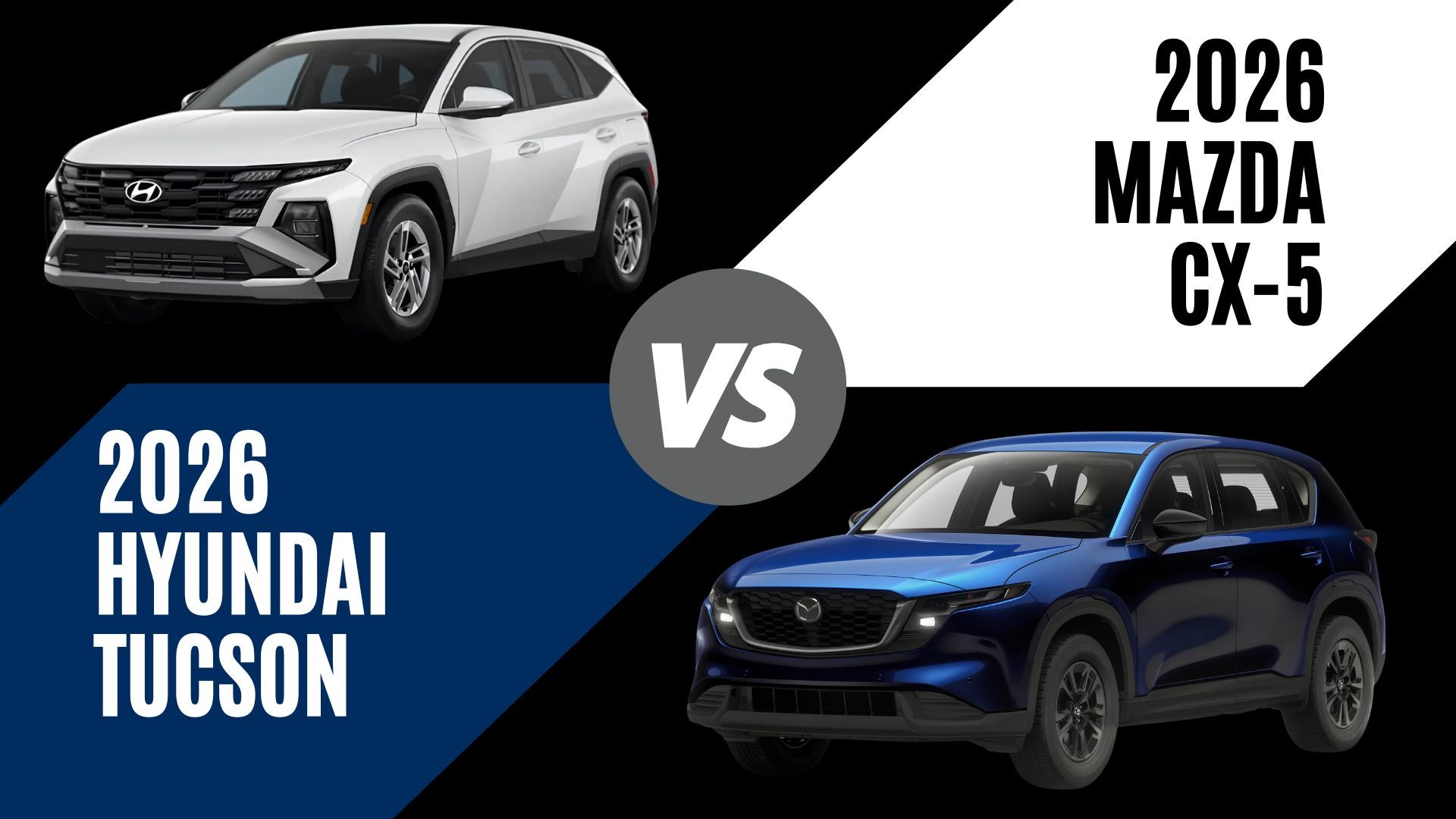
2026 Hyundai Tucson and 2026 Mazda CX-5 compact SUVs compared side by side for Fort Smith, Arkansas drivers

2026 Hyundai Tucson vs 2026 Mazda CX-5: A Compact SUV Comparison for Fort Smith Drivers

Fort Smith drivers cross-shopping compact SUVs almost always land on the same two names: the 2026 Hyundai Tucson and the 2026 Mazda CX-5. Both share a nearly identical 187-hp four-cylinder engine and roomy rear seating, which makes the real differences come down to how each one actually lives day to day. That's where this comparison comes in. Trim-level details for the Tucson are available on the 2026 Hyundai Tucson research page. Vehicle Comparison 2026 Hyundai Tucson Horsepower 187 hp (2.5L I4) AWD Availability Available Fuel Economy / Range 25/33 (FWD); 24/30 (AWD) mpg (city/hwy) Seating Capacity 5 Top Features 12.3" Touchscreen w/ Wireless CarPlay & Android Auto AEB w/ Pedestrian Detection Hyundai Digital Key App Towing Capacity Up to 2,000 lbs (optional hitch required) Find Your Tucson Today 2026 Mazda CX-5 Horsepower 187 hp (2.5L I4) AWD Availability Standard Fuel Economy / Range 25/33 (FWD); 24/30 (AWD) mpg (city/hwy) Seating Capacity 5 Top Features 12.9" Touchscreen w/ Google-Based Software Lane-Change Assist & Traffic-Sign Recognition All-Wheel Drive on Every Trim Towing Capacity Up to 1,500 lbs Search Our Used Inventory Look and Feel Hyundai gave the Tucson a sharp, angular exterior and carried the same design language found in the brand's recently updated Palisade, Sonata, and Elantra into its cabin. Mazda took its 2026 CX-5 in a different direction, stretching the wheelbase 4.5 inches and adding seven ambient lighting color choices inside, along with a cleaner dash now that the old console-mounted infotainment knob has been removed. At First Glance: Tucson: sharp, cohesive design shared across Hyundai's current lineup CX-5: freshly stretched proportions with expanded ambient lighting Both: interiors that feel a notch above typical compact SUV fare On the Road A 187-hp 2.5-liter four-cylinder powers both vehicles, though the delivery method differs. Hyundai pairs the Tucson's engine with an eight-speed automatic, offering front-wheel drive standard with all-wheel drive available as an upgrade. Mazda uses a six-speed automatic in the CX-5 and makes all-wheel drive standard across the entire lineup, so there's no front-wheel-drive option to choose from. Testers found that the CX-5 offers sharper, more responsive handling and reaches 60 mph in 8.0 seconds. The Tucson trades some of that sharpness for a notably quiet, settled cruise, with an all-wheel-drive Limited trim clocking a similar 8.8-second run to 60 mph. Driving Impressions: Tucson: quieter cabin and a smoother ride at highway speed CX-5: standard all-wheel drive and slightly sharper handling Both: 187-hp engines that prioritize comfort over quickness Room to Grow Passenger and cargo space matter for River Valley families, and both SUVs deliver. The Tucson's rear seat and cargo hold are larger than those of many rivals, fitting 9 carry-on suitcases behind the back row and 22 with the seats folded down, based on real-world testing. Mazda's redesigned CX-5 grew significantly for 2026, adding real legroom, kneeroom, and headroom for rear passengers along with a 34-cubic-foot cargo area, though suitcase-count testing hasn't been published yet for the new generation. Space Rundown: Tucson: proven real-world cargo capacity, verified through testing CX-5: larger footprint for 2026 with more rear-seat room Both: comfortable seating for five with genuine legroom in back Screens and Smart Features A 12.3-inch touchscreen comes standard on the Tucson, with an optional dual-screen display that spans much of the dashboard for gauges and infotainment side by side. Every Tucson trim includes wireless Apple CarPlay and Android Auto, and Hyundai's Digital Key technology lets a compatible smartphone unlock and start the vehicle without a physical key. Mazda equips the CX-5 with a standard 12.9-inch touchscreen, stepping up to an available 15.6-inch Google-based display on higher trims. Wireless smartphone connectivity, however, is limited to the Select trim and above, and early testers reported occasional glitches with the redesigned system. Tech Check: Tucson: wireless connectivity standard on every trim, plus Digital Key access CX-5: larger screen available, but wireless features and glitch-free performance depend on trim level Tucson offers more consistent tech regardless of which trim you choose Protection Built In Standard driver-assistance technology runs deep on both SUVs. The Tucson includes automated emergency braking with pedestrian detection and lane-departure warning with lane-keeping assist as standard equipment, with adaptive cruise control and lane-centering available on higher trims. The CX-5 answers with its own standard suite, including automated emergency braking, lane-keeping assist, adaptive cruise control, lane-change assist, and traffic-sign recognition. Fort Smith drivers can see how Hyundai's safety record measures up in the brand's most recent industry recognition. Safety Highlights: Tucson: pedestrian detection built into standard automated braking CX-5: standard lane-change assist and traffic-sign recognition Both: standard automated emergency braking, lane-keeping assist, and adaptive cruise control Power, Efficiency, and Towing Front-wheel-drive Tucson models return an EPA-estimated 25 mpg city and 33 mpg highway, dropping to 24 mpg city and 30 mpg highway with all-wheel drive. Towing capacity reaches 2,000 pounds with an optional hitch. The CX-5, with its standard all-wheel-drive setup, is rated at 24 mpg city and 30 mpg highway, with towing capped at 1,500 pounds. Between the two, the Tucson's front-wheel-drive fuel economy numbers and higher towing ceiling give it a practical advantage for River Valley drivers hauling small trailers or gear. Hybrid and Plug-In Alternatives The figures above reflect the gas-only Tucson and CX-5, so no hybrid or plug-in numbers are included. Hyundai's lineup already includes a Tucson Hybrid and Tucson Plug-In Hybrid for buyers who want more efficiency without giving up capability, part of a broader hybrid and EV push that's earned recent recognition. Mazda has a CX-5 Hybrid planned, but it isn't expected until the 2027 model year, so it falls outside this comparison. Warranty and Peace of Mind Hyundai covers the Tucson with a five-year, 60,000-mile limited warranty, a ten-year, 100,000-mile powertrain warranty, and three years or 36,000 miles of complimentary scheduled maintenance. The CX-5's coverage from Mazda is considerably shorter: a three-year, 36,000-mile limited warranty, a five-year, 60,000-mile powertrain warranty, and no complimentary maintenance included. Fort Smith drivers can review the full details in Hyundai's warranty coverage. Warranty Breakdown: Tucson: doubles the CX-5's powertrain coverage, plus included maintenance CX-5: shorter coverage across the board, with no maintenance program Tucson's ownership costs stay lower over the long run The Verdict for Fort Smith Drivers Both the Tucson and CX-5 hold their own in the compact SUV class, but the Tucson's advantages add up where it counts most: better fuel economy, stronger towing capacity, consistent wireless tech across every trim, and a warranty program that's hard to beat. Fort Smith drivers looking for a compact SUV that delivers dependable long-term value should make the Tucson their first stop. Visit Crain Hyundai of Fort Smith to see the current inventory and financing options in person. FAQs Does the Tucson come with front-wheel drive, or is all-wheel drive required? Front-wheel drive is standard on the Tucson, with all-wheel drive available as an upgrade, unlike the CX-5, which comes standard with all-wheel drive across every trim. Which SUV offers a quieter ride for daily driving around Fort Smith? The Tucson is tuned for a notably quiet, settled cruise, while the CX-5 leans toward sharper, more responsive handling. What driver-assistance features come standard on the Tucson compared to the CX-5? Both include standard automated emergency braking, lane-keeping assist, and adaptive cruise control, though the Tucson adds standard pedestrian detection and the CX-5 adds standard lane-change assist and traffic-sign recognition.

Row of Hyundai SUVs parked outside Crain Hyundai of Fort Smith dealership

Why Hyundai Keeps Winning Cars.com's Top Value Awards

Every year, plenty of automakers pick up an award or two. What's rarer is a brand that shows up across nearly every category a major outlet tests, from new SUVs to EVs to the used car market. That's what Hyundai did in Cars.com's 2026 evaluations, and it's worth understanding why before writing it off as just another press release. Cars.com isn't paid to make any particular brand look good, which is part of why its rankings carry weight with people actually shopping. The outlet ran vehicles through several distinct tests this year: a value-focused awards program, a head-to-head compact SUV challenge, and a used car value list. Hyundai models placed well in all three, and for drivers in Fort Smith and the River Valley, that pattern says more than any single trophy could. The Full Rundown of Hyundai's 2026 Cars.com Recognition Best Value Awards Hyundai Palisade: Best Value Mid-Size SUV Winner Hyundai Ioniq 5: Best Value EV Winner Hyundai Kona: Top Finisher, Subcompact SUV Hyundai Elantra: Top Finisher, Compact Car Best Compact SUV Hyundai Tucson Hybrid: 3rd Place Overall Best Used Cars Around $15,000 2020-2021 Hyundai Elantra 2018-2020 Hyundai Sonata 2021-2022 Hyundai Venue 2017-2020 Hyundai Tucson Below is a breakdown of what actually earned each model its spot, not just the headline. What Made the Palisade the Best Value Mid-Size SUV Cars.com didn't hand out the mid-size SUV award based on price alone. The evaluation weighed ownership costs, fuel economy, warranty coverage, and how much safety technology comes standard rather than bundled into pricey option packages. On all of those fronts, the Palisade came out ahead. Part of what sets it apart is how much is included rather than upsold. Third-row seating isn't an add-on, and the cabin comes with a long list of standard equipment that some competitors reserve for higher trims. That's a real advantage for families around Fort Smith, Van Buren, and Greenwood who need a vehicle that can handle a full carpool without a stack of option boxes checked. The redesigned 2026 Palisade also brings updated exterior styling and new powertrain choices, building on a formula that was already working. For buyers cross-checking three-row SUVs, the Palisade's included features and interior space compare favorably to the Toyota Grand Highlander, a common alternative in this segment. Ioniq 5 Wins on Range, Charging, and Everyday Usability EVs get judged differently than gas-powered vehicles, and the criteria matter. The Ioniq 5's 2026 trims offer as much as 318 miles of range, backed by fast-charging capability and an interior built around modern, driver-centered tech rather than gimmicks. Electric vehicle interest hasn't slowed down in Arkansas, and the Ioniq 5 gives River Valley drivers a genuinely usable EV option, not just a compliance car. It's also frequently put up against the segment's most talked-about competitor: the Ioniq 5's charging speed and total range hold up well next to the Tesla Model Y, a matchup that tends to favor Hyundai on charging network flexibility. This isn't an isolated win either. Hyundai's broader EV lineup has picked up recognition in back-to-back years now. Kona and Elantra Round Out a Strong Showing Two more Hyundai models placed as top finishers rather than outright winners, which still counts for something in competitive categories. The Kona stood out among subcompact SUVs for efficient performance and a footprint that doesn't feel cramped, a common complaint in this class. The Elantra earned similar praise in the compact car category, where fuel economy, current safety tech, and an accessible starting price carried it near the top. Fort Smith drivers shopping for compact sedans tend to put it up against one of its more well-known rivals: the Elantra's fuel efficiency and safety features stand up well against the Toyota Corolla, and the price gap often tips things in Hyundai's favor. A Podium Finish for the Tucson Hybrid in a Brutal Segment Compact SUVs are arguably the most contested category in the industry right now, which makes a third-place finish genuinely notable. In Cars.com's Compact SUV Challenge, the Tucson Hybrid Limited went up against some of the most established nameplates in the class and still landed on the podium. Judges specifically praised its cargo capacity within the challenge, along with smart use of interior storage and a hybrid powertrain that operates smoothly rather than feeling like a compromise. The included comfort features also helped it score well on overall value. It's a model people naturally stack up against the segment leader, and the Tucson's interior space and standard features hold their own against the Honda CR-V, one of the class's longest-running competitors. Four Used Hyundai Models Landed on the Sub-$15,000 List New vehicles weren't the only story here. Cars.com dug through thousands of used listings nationwide to build its Best Used Cars Around $15,000 list, and four Hyundai models made the final cut. 2020-2021 Hyundai Elantra: strong fuel economy, updated safety features, low cost to own 2018-2020 Hyundai Sonata: comfortable ride, spacious cabin, strong value in the midsize sedan class 2021-2022 Hyundai Venue: compact and easy to park, distinctive styling, budget-friendly crossover option 2017-2020 Hyundai Tucson: practical SUV utility, solid safety ratings, dependable daily driver For anyone in Fort Smith working with a tighter budget, this list is proof that Hyundai's reputation for value doesn't stop the moment a car leaves the new-vehicle lot. Why Consistency Matters More Than Any Single Trophy A single award can happen almost by accident, timing, a weak field, or a narrow margin. Landing near the top across three completely different evaluations is a lot harder to attribute to chance. Each of these tests measured something different. The Best Value Awards weighed cost of ownership against features and efficiency. The Compact SUV Challenge was direct, competitive testing against established rivals. The used car list focused on long-term reliability and resale value. Hyundai didn't just clear the bar in one of these. It cleared it in all three, and that's the part worth paying attention to. That kind of pattern usually isn't an accident. It points to a brand building vehicles around what people actually care about after the purchase, not just what looks good on a spec sheet in the showroom. For drivers throughout Fort Smith and the River Valley, it means there's rarely a bad time to see what's currently on the lot. FAQ Which Hyundai won Cars.com's Best Value Mid-Size SUV award? The 2026 Hyundai Palisade took the win, recognized for its standard third-row seating, spacious cabin, and long list of included features. Which Hyundai electric vehicle earned recognition from Cars.com? The 2026 Hyundai Ioniq 5 was named Best Value EV, praised for its range, fast-charging capability, and overall ownership value. Which Hyundai models made Cars.com's Best Used Cars Around $15,000 list? The Elantra, Sonata, Venue, and Tucson all earned spots on the list of top used vehicles near that price point. How did the Hyundai Tucson Hybrid perform in Cars.com's Compact SUV Challenge? It finished third overall, earning praise for cargo space, cabin design, value, and smooth hybrid performance.